
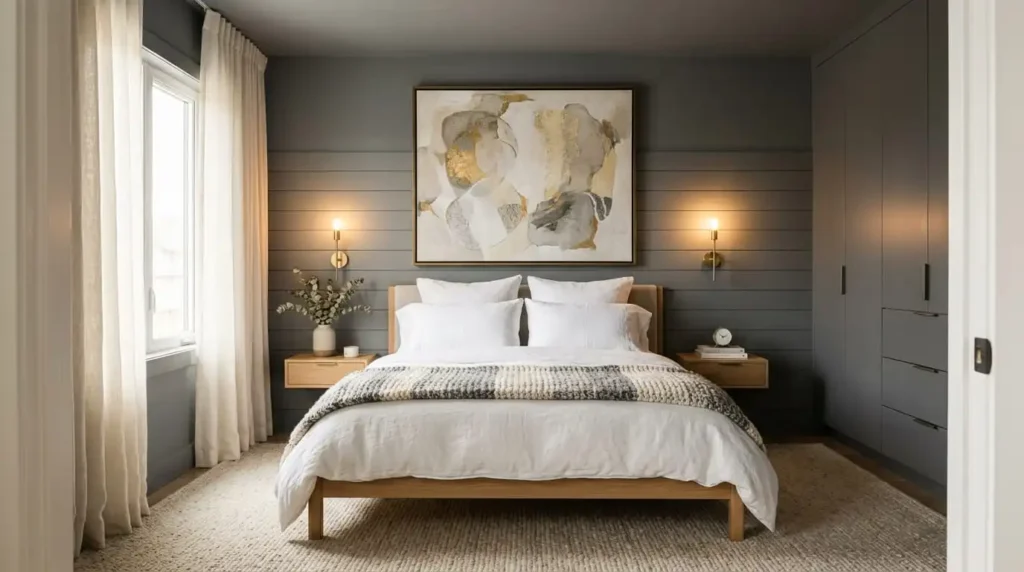
Compact bedrooms have been near and dear to my heart all my life. I clearly recall spending my childhood in a very tiny room where space for even a bed and a closet seemed scarce. Space planning would have been extremely difficult, and everything would look untidy all the time. Through several attempts at trying different ideas, I eventually learned that a tiny room can create an incredibly warm ambiance.
Indeed, a tiny room compels one to think creatively, and from such creativity arises a great bedroom.
Your Small Bedroom Can Go Bold With Color and Pattern
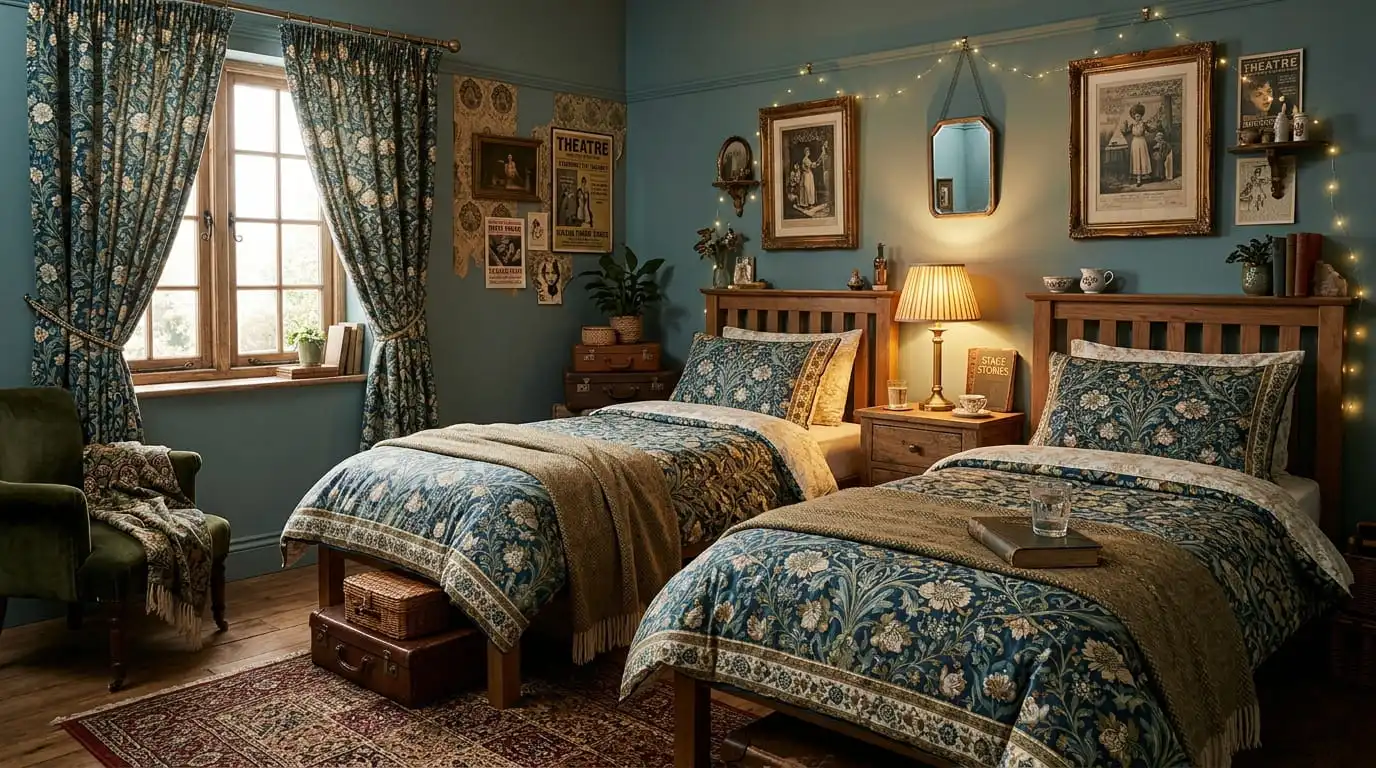
Most people play it safe with colour in a small bedroom, and honestly, that is a mistake. Bold colour and large-scale pattern can completely transform how a room feels to anyone walking in. I once wrapped a guest house bedroom in a single wallpaper pattern across every surface. All of the walls, curtains, even the duvet were the same and the effect is dramatic, theatrical, and in no way small. According to designer Cynthia Ferguson, nothing beats this idea because eventually your eyes stop getting distracted when you have the same print on everything.
This makes for an illusion of an endless space that simple walls cannot provide. The use of checks in the canopy bed along with stripes on the wallpaper will definitely make the room feel coherent and immersive. A ticking fabric, a Welsh blanket, or even prints combined could create a beautiful design scheme. Contemporary designers love this traditional approach because it feels intentional and deeply personal.
Mirrors, Lighting, and Wall Sconces Are Non-Negotiable
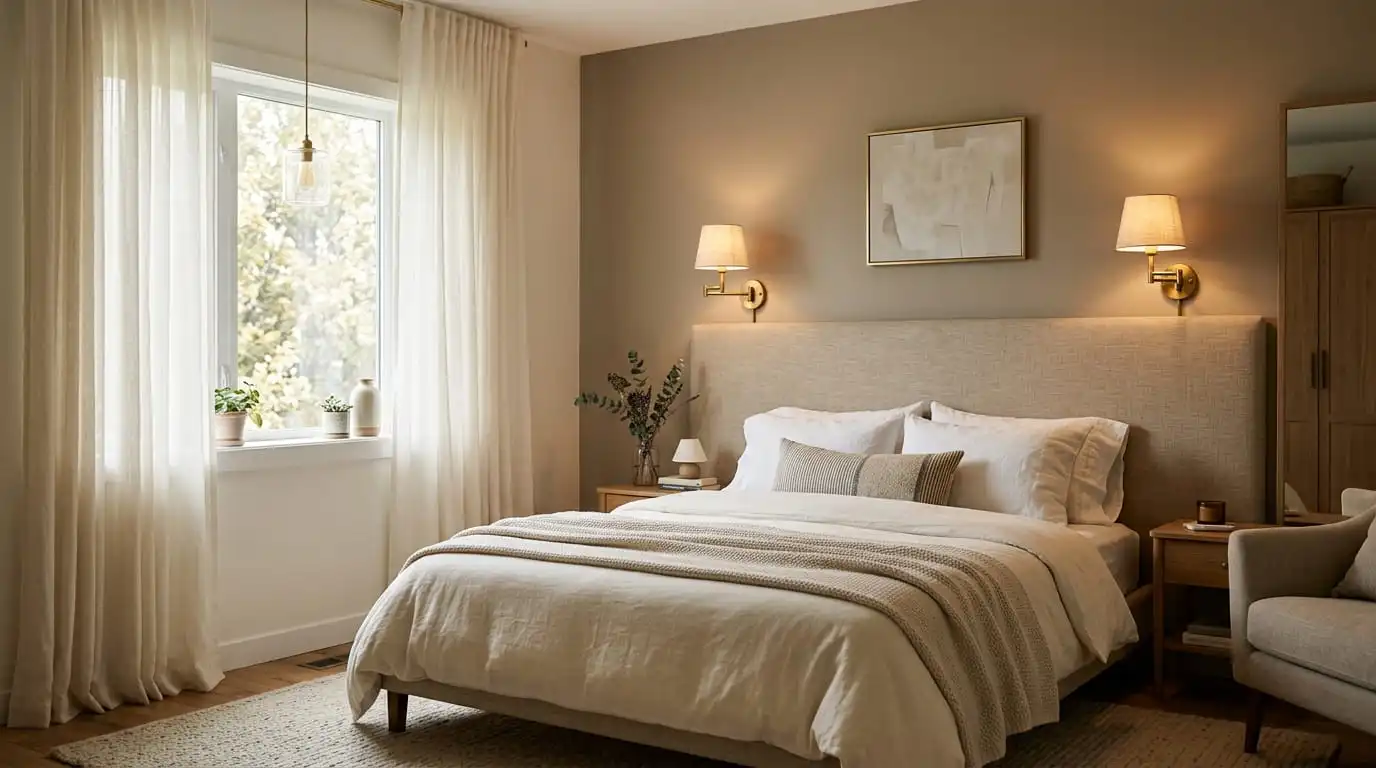
Lighting is where small bedroom design either succeeds or completely falls apart, in my experience. Light is bounced around in the most unexpected beautiful angles with a mirror next to or opposite a window. With this one trick, any small bedroom will feel lighter, brighter and much larger than it is. Built-in wall lights by the bed post beside the headboard free up space on the bedside table. There are lots of plug-in sconces available today, and wall-mounted lights instantly free up valuable floor space.
I got rid of my large table lamp, and then switched to a hardwired sconce, and haven’t looked back, although there was some initial visual clutter with cords. A lamp with a dimmer is truly underrated; it can be used to read by, but it can also be used to get some rest. Overhangs from the ceiling over a full width bed liberate night tables completely. A vintage Murano chandelier is a great way to inject glam and draw attention to itself. Lighter fixtures from designer Roger Higgins are always telling his clients that wall mounted lighting fixtures can be used to reduce the space taken up for an extra bed side table, which is valuable floor space.
The Bed Is the Most Important Piece of Furniture
I’m being straight with you: In a small bedroom, the bed does the bulk of the work, so work harder. A storage bed with a built in closet below does away with large chest of drawers in the room. Bespoke joinery, which integrates a bed into the wall is well suited to a pitched roof if budget permits. A Murphy bed can morph a home office or living room into an instant, fully functional guest room overnight.
A floating bed is removed from walls, creating a balanced and proportionate layout. Raised bed for the sleeping area also provides for a useable space below for storage bags or drawers. A four-poster bed with a bed canopy lined with linen creates a bold statement, and brings a dramatic sense of height to the room. A canopy may also serve as a room divider, separating bedrooms and dressing rooms in an efficient manner and be decorated in an elegant manner. To give the whole space a larger feel, designer Meg Lonergan had a wall-to-wall rug under the bed.
Smart Storage Ideas That Keep the Room Streamlined
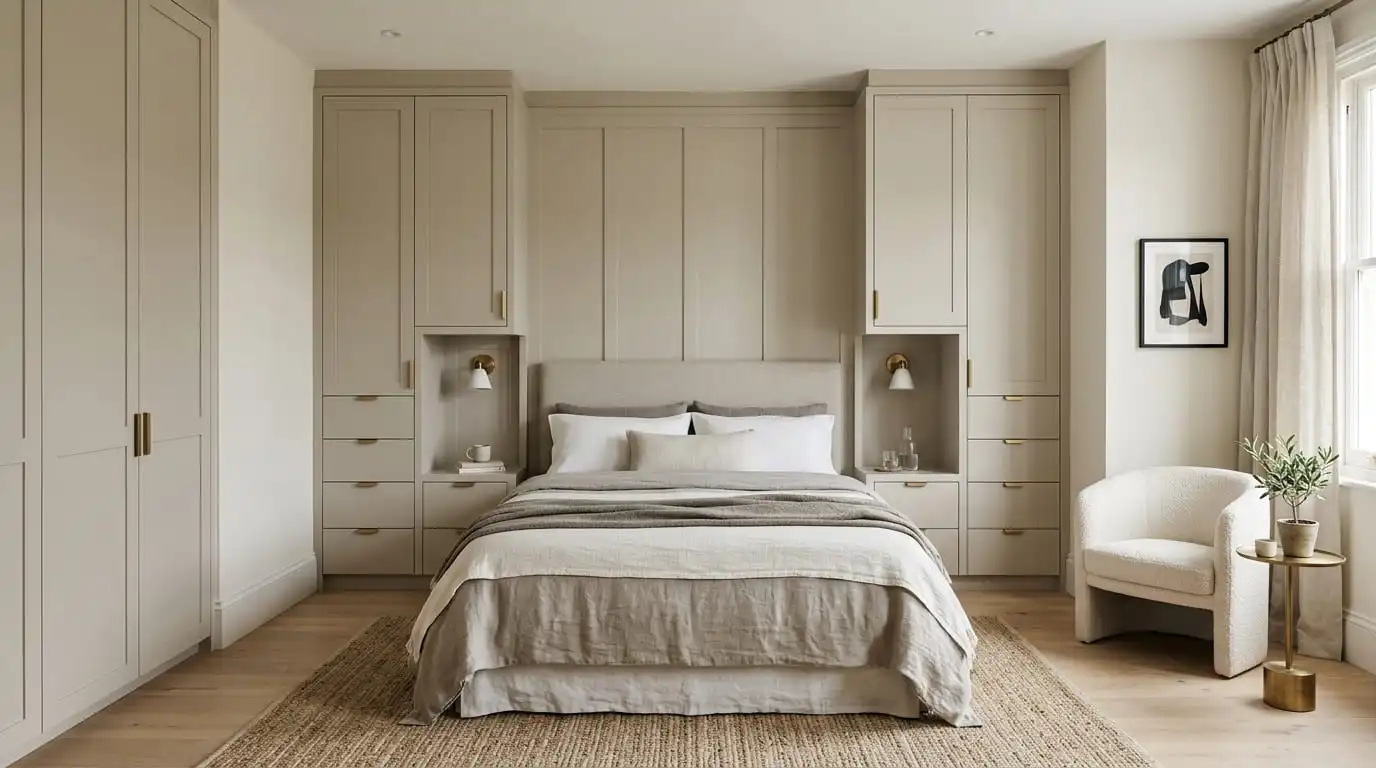
Storage will always be your main issue in a small bedroom, and there really aren’t many options that haven’t been used by me before. Open racks replace wardrobe cabinets and provide easy access without taking up too much valuable space on the ground. Two built-in wardrobes, one on each side of your bed, provide an opportunity to create bedside nooks. It implies that there will be no need for additional furniture occupying interior space. It is possible to install built-in shelves rather than an armoire. In such a case, one will have access to all necessary storage facilities without spending more visual space on additional pieces of furniture. One large wall, equipped with many drawers and cupboards for storing clothes not currently used, is sure to maximize utilization of available space.
Utilize the alcoves to store clothes, bedding materials, and reading material by installing shelves and railings. Installing additional shelves above your bed will also serve to make room for additional storage and decoration elements. Rattan door cabinets, installed one next to the other in a narrow space, will ventilate the clothing and create an impression that the furniture is made to measure. When choosing the right cabinet doors for built-in storage, material and type matter more than most people expect our guide to door materials, types and costs gives an honest breakdown of what lasts and what doesn’t.
For instance, if you have an excess of storage space for your clothing, move the dresser inside the wardrobe to make room on the ground floor of your main bedroom. This functional table fulfills a dual purpose as both a dressing table and working table. The trundle beds will be ideal for placement within your guest bedroom to store any extra clothes under them.
Color, Tone, and Palette Can Visually Expand Any Room
Colour is undoubtedly the most potent yet least understood element of small bedroom design. The application of natural colors taken from the floorings of oak parquets with accents of mustard and gold creates a rich but relaxing environment. The pale green color of the walls makes the room feel refreshing and relaxing in the master bedroom. Contrary to common misconceptions, darkening the ceiling could create an illusion of space. This approach is commonly employed by interior designer Marguerite Rogers, whose clients are always amazed with her innovative ceiling designs.
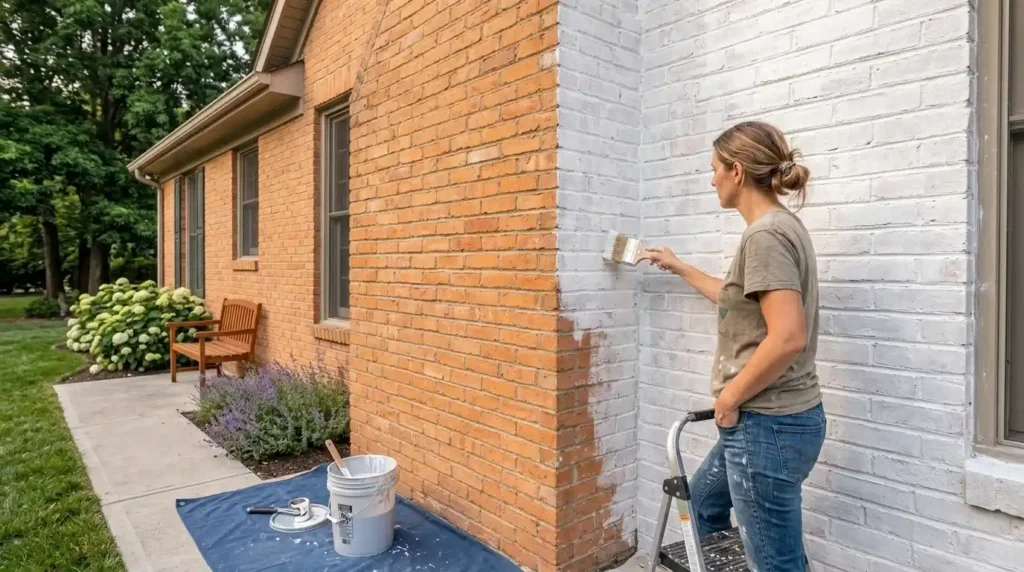
Creation of an enveloping atmosphere by using colors which are alike on both the wall and the curtains does not break up the continuity in our perception, creating a feeling of having a large room. Cabinets built into the interior decor and colored the same way as the walls and the ceilings help to merge smoothly into the environment in the small bedrooms. Usage of the pale pink color on the wall as well as furniture helps create a feeling of lightness for small bedrooms. Once you have settled on your palette, execution is everything our step-by-step guide on how to paint a room covers wall prep, paint selection, sheen types, and the correct painting order so the finish actually holds in a compact space.
Drapery, Rugs, and Textiles That Layer the Space Beautifully
Drapes from floor to ceiling, which are made out of light material, can extend the walls, giving the impression of increased height right away. Window panels that are sheer and white make your eyes go up, emphasizing the upward motion of the space. As noted by Blair Moore, an interior designer, this is a very simple technique that is going to help your ceiling look higher without making any changes whatsoever to its construction. Rugs that extend all the way up against the wall unify your furniture.
The single most common mistake is choosing a rug that is too small. Patterned rugs in bright colors combined with cool fabrics and global influences will give your bedroom a unique eclecticism. And once that rug is down, keeping it clean in a bedroom is a challenge worth preparing for our guide on how to clean a carpet covers stain removal, DIY solutions, and machine methods that actually work without damaging the pile.
A checked fabric canopy lined with a pretty floral complements walls painted in a soft, delicate colour beautifully. Butterfly-patterned curtains in a rich Sahco fabric, paired with bold Lilac Pink walls, made one Des Moines bedroom feel fearlessly expressive.
Architectural Features Are Your Secret Weapon
The best examples of designing a small bedroom that I have come across do not try to fight but work with the architecture of the place. For instance, wood vaulted ceilings in the small getaway together with the large windows will make the room feel spacious. The roofs with edges that slope downwards can be painted in light grey color, thus creating contrast with the design on the wallpaper underneath. With tongue and groove panelling in the same color as the roof making the bedroom unique and comfortable. Also, with oak panelling installed horizontally on a niche wall behind the bed will give the impression that the bedroom is wider.
Tiffany Leigh designer has successfully utilized the advantages of a sloping ceiling and decorated the room beautifully. It becomes possible to increase the size of an attic room when you raise the ceiling to its maximum height and then expose its structural elements using custom metal beams. Furthermore, there is a unique idea to decorate your room walls with wooden screens like jaali lattice from India. Custom built-in bunk beds that curve with the round structure of a lighthouse show how unusual architecture becomes a feature. If you are considering structural changes raising a ceiling, adding a dormer, or converting an attic our complete guide to home additions covers costs, planning permissions, and ROI for exactly these kinds of bedroom expansion projects.
Reflective Surfaces, Texture, and Finish Add Depth
One of the least utilized means for adding light to an otherwise small and unlit bedroom is reflective surfaces. Plaster walls that have been fluted and coated with antique-brass finishes reflect light throughout the room beautifully, and make the space feel bigger at the same time. Mirrors positioned next to windows reflect light into dark spots and create fascinating perspectives through reflection. A tactile design element such as a screen made of jaali latticework does away with the need for any headboard or excessive furniture items.
Fluted plaster, rattan, natural oak, brass, and linen help bring about a sense of texture in compact rooms. By using a floating shelf with drawers, the use of bulky furniture is stripped away and the sleeping quarters is set up to be minimalistic and clutter-free. By having a minimalist design like a vintage Charlotte Perriand bed and Pierre Jeanneret bedside tables, a piece of artwork is given its place to shine.
Layout, Flow, and Furniture Arrangement Make or Break the Room
The arrangement of your furniture is far from the only option that can work, and by thinking outside the box, you might achieve amazing results. By simply moving your dresser inside the closet, you will immediately free the central part of the bedroom and increase its efficiency significantly. Using slim nightstands instead of bulky ones will completely change the feel of space for you and become the key to success. A hanging floating shelf or a plant stand next to the bed can perfectly substitute for a nightstand.
Drapes covering an entire wall from floor to ceiling and the use of a four-poster bed next to a bay window will help you feel like there is more space in a small kid’s room. The idea of creating two separate spaces with a dresser as a separator can be very effective.
Bedside wardrobe creation on both sides of the bed with niches serving as side tables ensures that there is no need for any more furniture. The success of designing a small bedroom is dependent upon maximizing all possible spaces, which include niche spaces, recessed corners, as well as spaces under the bed. The same thinking about layout, flow, and furniture placement applies to every room in the house our living hall decoration ideas guide applies many of these exact principles to open-plan living spaces where furniture arrangement defines the entire feel of the room.
Conclusion
Bedroom style ideas are never really about the size of the room itself. This will depend upon how creative and innovative you are at doing this. Whether we talk about curtains from floor to ceiling or reflective surfaces, built-ins, or color combinations, everything mentioned here demonstrates that even the smallest bedroom can have as much elegance and imagination as any other room interior. The best small bedroom decorating tips will prove themselves only when used intelligently in order to combine texture, color, pattern, and smart furniture placement.
An irregular niche becomes a dressing area. A murphy bed serves as extra sleeping accommodation. I have encountered the smallest bedrooms in my life, which have been among the most memorable, since constraints spur imagination, and imagination inspires personality. Hence, regardless of whether you have 80 or 150 square feet of space at your disposal, proper small bedroom style ideas are certain to give you the impression of having a bespoke interior.And if your bedroom refresh is part of a larger plan for the house, our home renovation service guide covers everything from budgeting and contractor vetting to sustainable upgrades and ROI so every room gets the attention it deserves.
FAQs
Bold color and large-scale pattern can actually work better than playing it safe, since repeating the same print or color across walls, curtains, and bedding stops the eye from getting distracted by where one surface ends and another begins. That visual continuity creates an illusion of a bigger, more immersive space than plain white walls typically achieve.
Counterintuitively, a darker ceiling can actually make a small bedroom feel more spacious rather than smaller. It works by drawing the eye upward and blurring the boundary where the wall meets the ceiling, creating a sense of extended height instead of visually capping the room.
A storage bed with built-in drawers underneath eliminates the need for a bulky dresser, and options like a floating bed pulled away from the walls or a raised bed with storage below both make efficient use of every square foot. For rooms that need to double as something else, a Murphy bed is especially useful since it can turn a home office back into a guest room in minutes.
Placing a mirror next to or across from a window bounces natural light around the room in a way that makes it feel larger almost instantly. Swapping bulky table lamps for wall-mounted sconces or built-in lights by the headboard also frees up nightstand space, which matters more in a small room than it might seem.
Built-in wardrobes placed on either side of the bed double as bedside storage and free up floor space that a separate dresser would otherwise take up. Open shelving, wall-mounted railings in alcoves, and under-bed storage are also strong options, since they add real capacity without adding visual bulk the way a standalone armoire would.
Floor-to-ceiling curtains in a light fabric draw the eye upward and make the ceiling read as taller, while a rug that extends close to the walls helps unify the furniture instead of making the room look chopped into pieces. The most common mistake is choosing a rug that’s too small, which shrinks the sense of scale rather than expanding it.


2 thoughts on “The Ultimate Small Bedroom Style Ideas Guide for Every Home”