
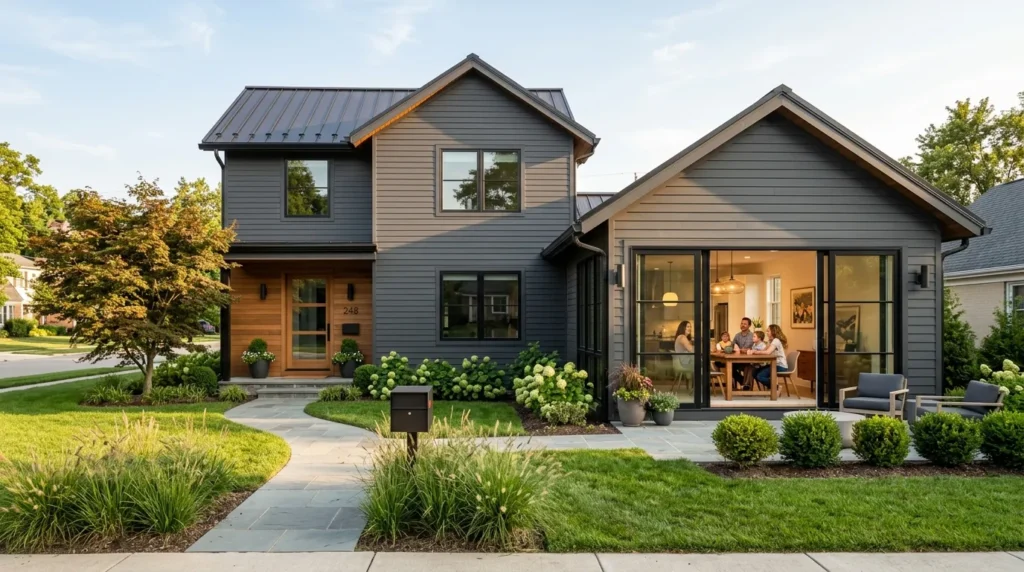
There will come a time when most homeowners find themselves in a position where the house that once fit them perfectly has become too small. Perhaps your children are getting bigger, requiring more personal space. Perhaps after two years of working from home, your kitchen table just can’t keep up. Or maybe your parents are moving in with you, and you need an extra room for them. For every homeowner who finds himself in this dilemma, there are only two choices.
When mortgages are in the neighborhood of 7%, and homes continue to be expensive, it’s much more practical to expand an existing home than purchase a new home. This is particularly true when you have a passion for the neighborhood you live in, the lot you reside on, and the people who share the same block as you.
The following information will explain all the types of home additions, the price of home additions, why you should invest in a home addition, and how you can plan a home addition without going insane.
Before You Start: What Every Addition Needs
But before you get romantic about adding a primary suite or a year-round sunroom, there are some realities worth knowing first, since ignoring those realities is what often makes homeowners throw thousands away on dreams that just won’t work out.
First of all, there’s zoning and setback restrictions. The city planning department determines how far you have to set back from property lines, maximum height, and maximum coverage of the lot. Setbacks in a typical suburb like Lakeville vary between 5 feet and 30 feet. So, that big addition at the end of your house could be violating a setback that no one told you about.
Need For Adequate Foundation
The need for adequate foundation should not be overlooked. All additions will require footings, and in colder climates, this entails building to at least 42 inches below the frost line in places such as Minnesota. It is very common for many people to totally ignore this aspect when setting aside funds for the project. Before committing to any addition, it is worth understanding what your existing foundation can handle — our house foundation repair guide explains warning signs, costs, and what structural issues to check before breaking ground.
There is also the issue of roofline integration. A successful addition looks like it belongs to the original structure. This entails incorporating aspects such as the angle of the roof, exterior siding, and window type to give the new addition a cohesive appearance. Finally, ensure that your current heating, ventilation, and air conditioning system can accommodate the extra space. Most of the time, it cannot.
Room Addition Cost: What to Expect
Construction cost for adding a room varies from $150 to $400 per square foot depending on the complexity of work, quality of materials, and conditions at the building site. The following are estimated costs based on the year 2025 to 2026 pricing for the Twin Cities metropolitan area for design, permits, and full construction.
A three-season sunroom will cost $30,000 to $75,000. Four-season room will cost $50,000 to $120,000. Adding a new bedroom will cost $50,000 to $100,000. Adding a master suite with walk-in closet, double vanity, and walk-in shower will cost $100,000 to $250,000. A bump-out of the kitchen will cost $80,000 to $200,000. Second-story room addition will be the most expensive project, costing $150,000 to $400,000 or more.
It is essential always to consider an additional budget for the project of about 15 to 20 percent above your total expenses. Older homes can have unexpected issues that may not be revealed during the initial inspection. If you want to understand which of these investments returns the most value when you sell, our breakdown of the best home improvements for ROI gives real data on what buyers actually pay more for.
The Four-Season Sunroom
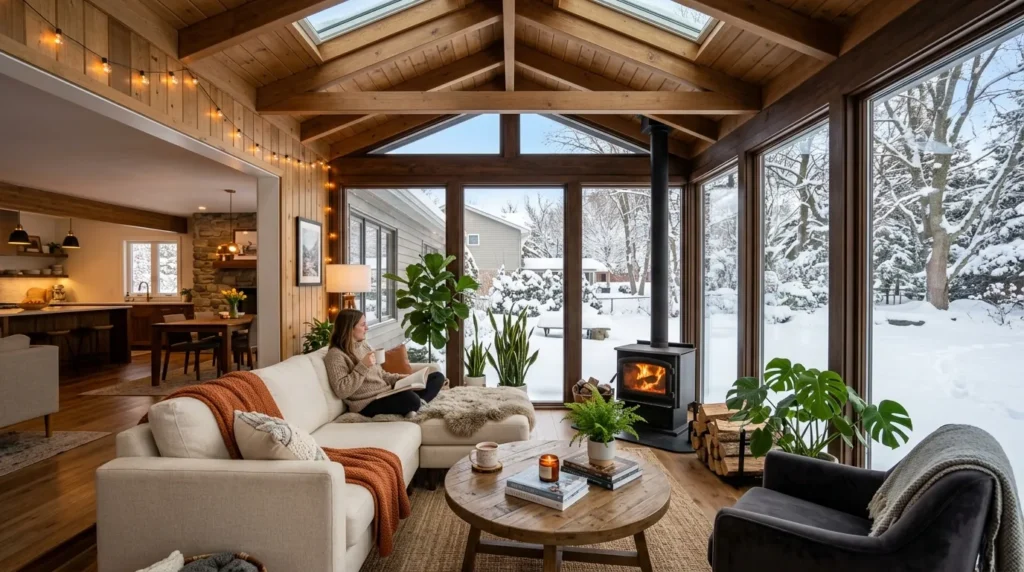
A four-season sunroom is considered one of the most popular ideas for an addition that will enable you to benefit from it during all four seasons without changing anything in your current house design. In contrast to a three-season sunroom, the four-season one will be properly insulated and connected with your air conditioner, while the former will lack both features.
Prices vary greatly depending on the size of the sunroom; it can range between $50,000 and $120,000 since the desired sizes vary from 200 to 400 square feet. There will be no need for new pipes, and the construction will be easier than with a room because of less work involved. Once your sunroom is built, large windows are one of its biggest assets and protecting them with house window tinting can cut heat gain, block UV rays, and reduce glare without sacrificing any of the natural light.
Primary Suite Addition
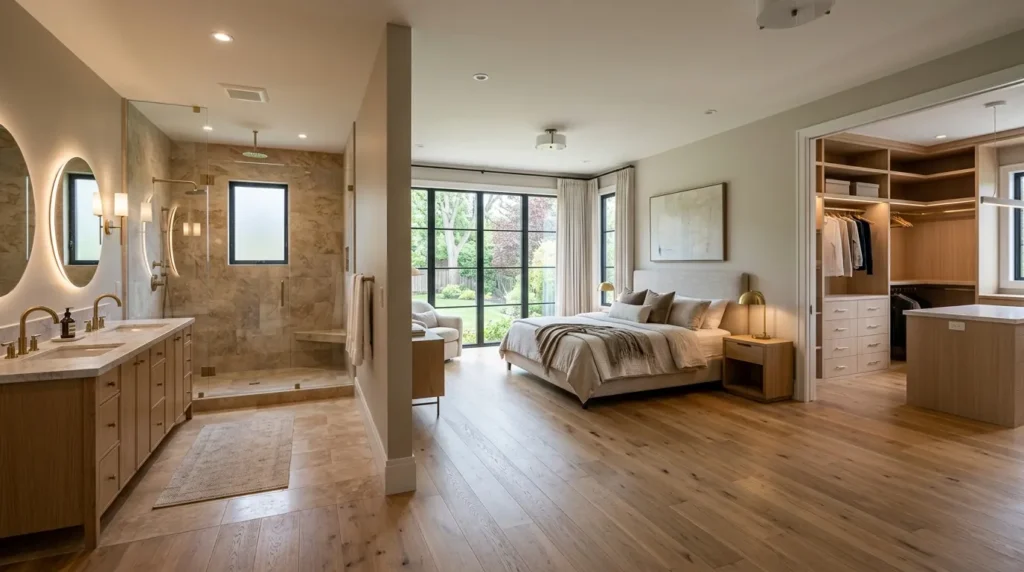
A majority of houses pre-dating 2000 have undersized master bedrooms, with small closets that could be better described as add-ons. The primary suite addition addresses this problem by building a master bedroom, complete with its walk-in closet and a bathroom with a double vanity and walk-in shower. The total cost will range from $100,000 to $250,000, which is significantly higher compared to the price for other additions since there is plumbing involved.
This means putting in plumbing lines and even a new water heater will add to your costs. While you’re upgrading the plumbing for your new suite, it is also worth considering whole house water filtration installing a system at this stage costs far less than retrofitting one after construction is complete. However, for owners of old homes who begin their day dealing with an undersized bathroom each morning, the benefits may speak for themselves.
Kitchen Bump-Out
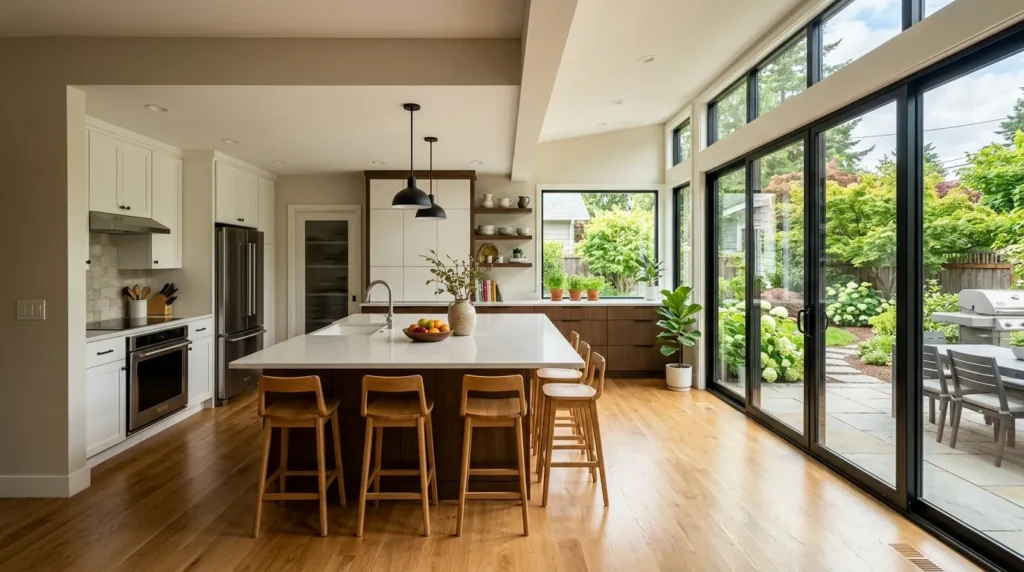
A kitchen bump-out increases the size of your current kitchen by extending one of its walls into the yard, typically by up to 12 feet. While this may not seem like a lot of extra space, it will be enough to have a real island in your kitchen, extend the pantry, or even make a seating area for the kitchen.
Kitchen bump-outs cost between $80,000 and $200,000. This includes not only the increased square footage but also the fact that you will most likely have to rearrange the furniture. If your kitchen needs 50 to 150 square feet of additional space, this option can be quite suitable. A bigger kitchen space opens up entirely new possibilities for layout and storage our complete guide to kitchen cabinets covers modern designs, smart storage solutions, and cabinetry options worth planning into your bump-out from day one.
In-Law Suite or ADU
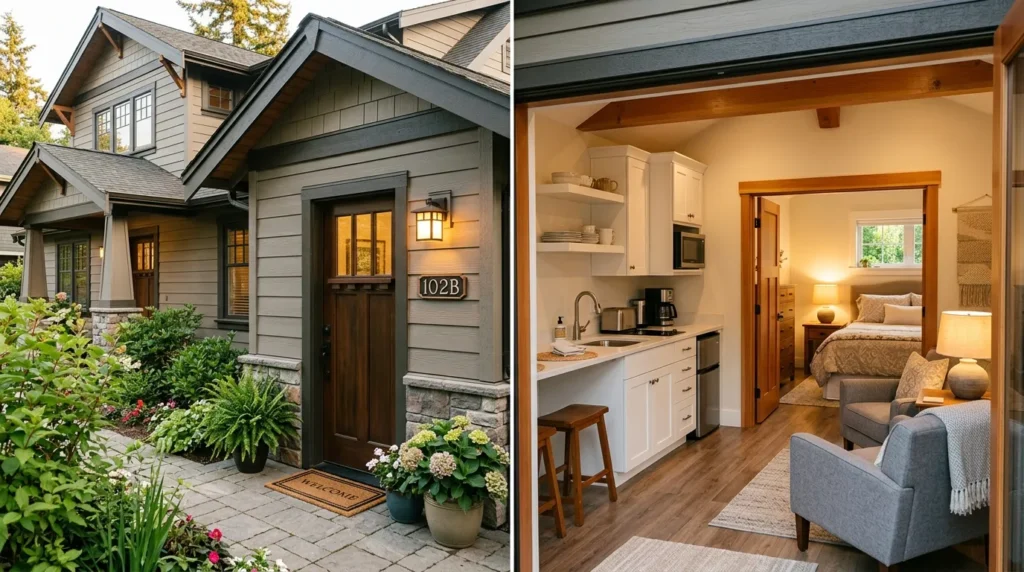
An Accessory Dwelling Unit, which goes by the name ADU or in-law suite, is a small apartment with all the facilities available that could be attached to your house or constructed close to your house.
Their price ranges between $150,000 and $300,000, and they have dual uses in the long run. They provide housing for elderly parents currently and yield rental revenue in the future when the need arises. Research the local zoning regulations beforehand, as some areas fully support ADUs while others impose strict restrictions on them.
Second-Story Addition
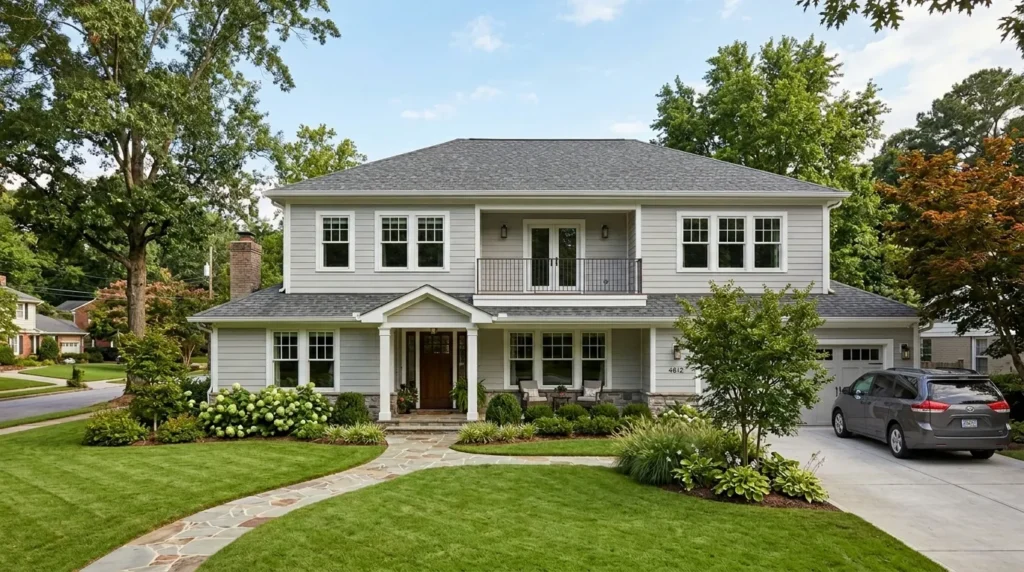
If you cannot expand outwards due to restrictions on your property, you can always expand upwards. Constructing an extra floor is one of the most effective methods to maximize the square footage since it will double the total area of your house, and it is quite typical for ranch-style houses when the structure itself is sound but there just isn’t enough room within the single floor.
The costs for adding an extra story start from $150,000 and go up to $400,000 or even more. It will be a costly undertaking since you will probably have to strengthen the structure of the current building and add additional supports for the increased load. It will take a long time to complete the project and you will be required to satisfy several additional permits. However, it will provide the greatest increase in space among all available options.
Home Office Addition
After the year 2020, having an office at home was more than just a luxury. An additional structure of 150 to 250 square feet is required to ensure that there is some demarcation between office and home space.
Allocate funds of $40,000 to $80,000 to design a functional office space with adequate lighting, sufficient power outlets for your equipment, and proper distancing from the rest of the home. The investment would be worth it for individuals who have worked remotely out of their bedrooms and dining rooms for years now.
Mudroom Addition
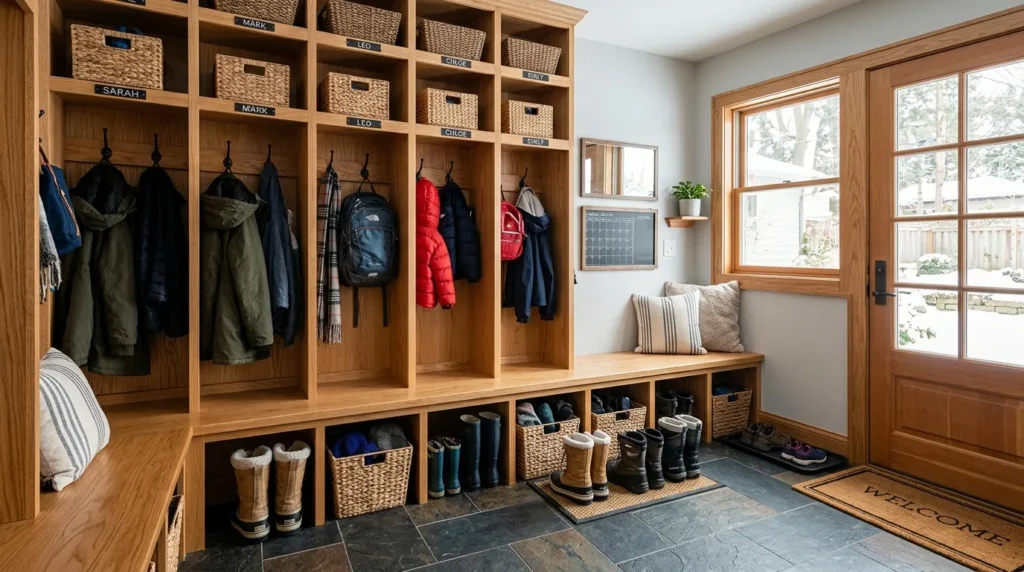
If you reside in an area where you have genuine winters like Minnesota, the Midwest, and the Northeast, then you will know what the mudroom addition dilemma is about. Your boots, jackets, snow pants, and your school bag need a place to be stored the minute you step into the house. Otherwise, they get placed wherever else.
For a nice mudroom add-on, it should have storage spaces like lockers or cabinets, a place for sitting, sturdy floorings that are not bothered by mud and moisture, and a utility sink. This is one of the most inexpensive ideas of additions that you can have at $25,000-$50,000 for a room size of 60-100 square feet of really functional organized space. If you have a family with kids, this addition pays itself back daily. If you’re going to the effort of building a proper mudroom, it’s also a good moment to think about the door that leads into it material, insulation rating, and durability all matter much more in a high-traffic entry point than most people plan for.
Garage Expansion and Garage Conversions
Expanding a two-car garage into a three-car garage or converting the existing garage into a functional living area serves different purposes, but both start with making better use of the available space.
Popular choices when considering converting garages include guest bedrooms, exercise areas, and home offices since there is no actual building involved. Since you will be making use of your existing square footage instead of constructing something new, the price tag will be significantly less than most other additions. The costs associated with garage additions and extensions usually range between $30,000 and $80,000.
Attic Conversions and Bonus Rooms
Making the attic functional by converting it to liveable space is another effective way of adding more space without increasing the size of the property. This will entail laying down new flooring, insulation, wiring, and even plumbing. The attic can thus serve as a study, bedroom, or a place where one can pursue personal interests such as painting and sculpture making.
Building an extra room above the garage is another great way to add space. If you have a garage with a high ceiling, you can consider building a space that can serve as a home theatre, a room for teenagers, or even guest quarters. The cost of construction will vary from $50,000 to $100,000. If an attic bedroom or bonus room is part of the plan, our small bedroom style ideas guide is exactly what you need it covers how to make a compact room feel spacious and well designed, which is precisely the challenge with converted attic spaces.
How Home Additions Increase Property Value
In addition to making everyday life easier and more convenient, the value added through remodeling or adding an addition to a home is consistently high but differs based on the nature of the project. Additions of primary suites tend to have a 50 to 60 percent ROI when the home is resold. The ROI for adding a family room or a sunroom will vary between 50 and 75 percent. The most valuable additions to a home include features that address general homeowner desires such as an extra bathroom, an additional bedroom, or even an open floor plan for the kitchen and family room.
Understanding which additions create the most value requires working with professionals who can advise based on current trends and market knowledge. An addition to your home worth $200,000 adds a lot more value in a community where the highest value is $350,000 compared to one with the highest value of $700,000.
How to Plan a Home Addition Without Losing Your Budget
There are five steps involved in properly planning an addition to your house.
First, make sure that you define the problem that you are solving before deciding on any specific plans for the addition to your home. You could be thinking of adding another bedroom, having a flow for entertaining guests, or making room for your aging parents; the more focused you are about what you need, the easier it will be to come up with the perfect design brief. After this, make sure that you verify your zoning and setbacks with your city’s planning department before getting too invested in your idea.
Look For A Design Build Firm
Look for a design-build firm where the same people do both design and building at once. This will help with communication issues and the budgeting problems that are always associated with the independent activities of architects and contractors. Finally, be prepared for life during construction. Any home additions usually takes anywhere from 3 to 6 months to complete, starting with the groundbreaking ceremony.
Be ready for noise, dust, and workers on your property. Some homeowners opt to find ways of accommodating themselves in their homes temporarily during construction while others prefer to leave during the most difficult period of construction. Planning in advance can greatly ease the process. One thing many homeowners overlook at this stage is catching pre-existing issues before construction begins our guide on how to stop small issues before they become problems covers the kind of routine inspections that can save thousands once contractors start opening up walls.
Home additions planning is one of the most gratifying projects you can undertake as a homeowner. Those who end up enjoying the newly designed spaces always know how to plan their projects beforehand.
Conclusion
A home additions is never about space. It is about solving a problem that may have silently been bothering you all this while. A problem like having a tiny kitchen, not having enough bathrooms, a lack of working space within the house, or accommodating old relatives. Plan ahead, budget accurately, and evaluate the zoning laws. Then a home additions will stop being a pain in the neck and become one of the most rewarding investments you ever made in your property.
Those people who eventually love their additions are seldom the ones who rushed through it. They first determine the problem, calculate the cost, and then build an addition that actually works for their needs.Families that eventually end up happy with their additions were not in any hurry to do so. Rather, they first analyzed what was needed, assessed the costs appropriately, and devised a plan which fits their families perfectly.
Regardless whether you start by adding a mud room to cope with the snow of Minnesota or choose to be extravagant and add an entire floor, the right addition can change everything about how your house feels. All you need to do is to get going with the planning.
FAQs
A home addition adds new square footage to your house, whether that’s a sunroom, an extra bedroom, or a second story, while a renovation typically reworks existing space without expanding the home’s footprint. Both increase what a home offers, but additions are the answer when you’ve run out of usable space entirely rather than just needing the current space to work better.
An ADU or in-law suite is the better choice when you need a fully separate living space, whether for aging parents now or rental income later, and it comes with the flexibility of being attached or built as its own structure nearby. A second-story addition makes more sense when you can’t expand outward due to lot restrictions, since it can roughly double your home’s square footage, though it’s typically the most expensive and involved option because of the structural reinforcement it requires.
Verify your local zoning and setback requirements first, since those restrictions on how close you can build to your property line vary significantly even within the same city. It’s also worth confirming your foundation depth requirements for your climate and checking that your existing HVAC system can actually handle the extra square footage, since it often can’t without upgrades.
Construction costs generally run $150 to $400 per square foot depending on the project’s complexity, material quality, and site conditions. On top of whatever your specific addition type costs, it’s smart to set aside an extra 15 to 20 percent as a contingency, since older homes often reveal issues during construction that didn’t show up in the initial inspection.
Primary suite additions typically return 50 to 60 percent of their cost at resale, while family room or sunroom additions can return anywhere from 50 to 75 percent. In general, additions that solve a widely felt need, like an extra bathroom, bedroom, or a more open kitchen and family room layout, tend to add the most value regardless of the specific addition type.
Most home additions take about 3 to 6 months from groundbreaking to completion, though timelines stretch depending on permitting and the project’s complexity. Expect noise, dust, and workers on your property throughout that period, and decide ahead of time whether you’ll stay in the home during the more disruptive phases or plan to be elsewhere.




4 thoughts on “Home Additions by Active Property Care: The Complete Guide to Expanding Your Living Space”