I once spent an entire Saturday rearranging my lounge to match a magazine spread, only to realise by Sunday evening that the sofa now faced a wall instead of the TV, the coffee table was too far from the seating to actually use, and the “statement chair” nobody ever sat in had simply become a place to dump coats. That’s the gap most lounge interior ideas content never addresses the difference between a room that photographs well and a room that actually works for the way you live in it. After redoing my own lounge twice and helping a few friends rescue theirs from the same mistake, here’s what I’ve learned actually holds up past the first week.
Good lounge interior ideas start with function, then layer style on top never the other way around. That ordering matters more than any specific colour or furniture choice you’ll read about below.
Lounge Interior Ideas Built Around How You Actually Live in the Room:
Function First — Layout Decisions That Determine Everything Else:
Before any lounge interior ideas involving colour or decor matter, the layout has to work. Multifunctional living room thinking means deciding upfront whether this space needs to handle TV watching, reading, entertaining, or all three and then building outward from that decision rather than retrofitting it later. In an open plan lounge or open plan kitchen lounge, a rug under the seating area instantly defines the zone without needing walls, while a console table positioned behind a sofa creates a subtle boundary between living and dining areas.
For narrow living room layout situations common in Victorian terrace lounge and 1930s semi lounge properties the best lounge interior ideas accept the room’s natural shape rather than fighting it. One main sofa facing the television, a slim side chair angled nearby, walkway clearance maintained at all times. Compact living room design isn’t about copying a Pinterest board wholesale; it’s about solving your specific daily habits. If you constantly trip over a coffee table positioned for photos rather than function, move it.
Sloped ceiling layout situations common where a loft conversion or stairs cut into the room benefit from low level sofa choices that work with the reduced headroom rather than against it. A snug room or formal living area adjacent to a more relaxed family living room lets you separate “company” furniture from “everyday” furniture, which solves the tension between wanting a beautiful space and wanting one you can actually relax in without worrying about every cushion.
Colour Choices That Hold Up Beyond a Single Trend Cycle:
Earthy Tones, Bold Drenching, and the Palettes Actually Worth Committing To:
Among lounge interior ideas, colour generates the most anxiety and the most regret when chosen purely for trend value. Earthy tones warm browns, deep greens, soft beiges, terracotta have staying power precisely because they’re grounded in something other than seasonal fashion; they read as intentional rather than dated within a year or two. Pastel colour scheme choices, including the Peach Fuzz colour that had its moment, work best as accent layers rather than the dominant palette unless you’re genuinely committed to that softness long-term.
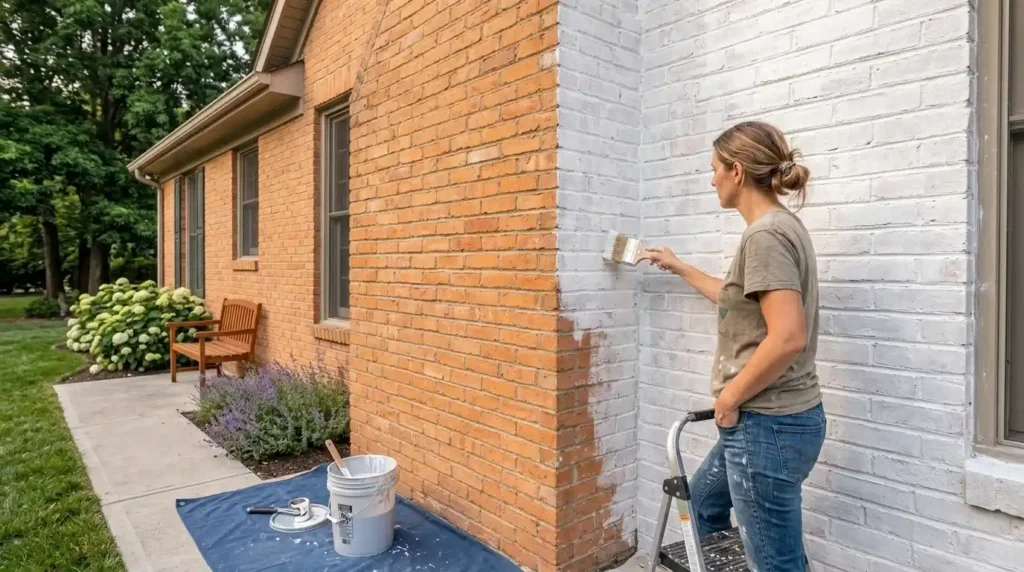
Colour drenching painting walls, trim, and ceiling all in the same dark moody colour like charcoal, deep navy, or forest green is one of the more dramatic lounge interior ideas currently popular, and it works because it distracts the eye from the room’s actual boundaries rather than highlighting them with contrasting trim. A sage green feature wall achieves a similar grounding effect with less commitment. For anyone nervous about full colour drenching, painting just the ceiling treating it as the “fifth wall” with light blue ceiling or light green ceiling tones makes a room feel taller without the same level of risk.
Monochromatic scheme approaches paired with a neutral palette work well when you want texture, not colour, to carry the visual interest. Chrome accents and gold accents both work as metallic decorations within almost any palette chrome leaning more contemporary, gold adding warmth to cooler schemes. A grey and brown combo remains one of the safest, most adaptable lounge interior ideas for anyone wanting longevity over trend-chasing, since both tones flex easily as accessories and trends shift around them.
Furniture and Layout Pieces Worth Genuinely Investing In:
Sofas, Storage, and the Pieces That Earn Their Keep Over Time:
The furniture decisions within lounge interior ideas matter more than almost anything else, because furniture is expensive to get wrong and lives in the room for years. A custom upholstered sofa or armchair, chosen deliberately rather than picked off a showroom floor in a rush, anchors the entire scheme invest here over almost anything else if budget is limited. Modular sofa and oversized modular sectional options offer real flexibility for reconfiguring a room as needs change, while a corner sofa or L-shaped sofa suits a narrow living room layout by fitting more seating into less floor space than a traditional three-seater plus armchairs setup.
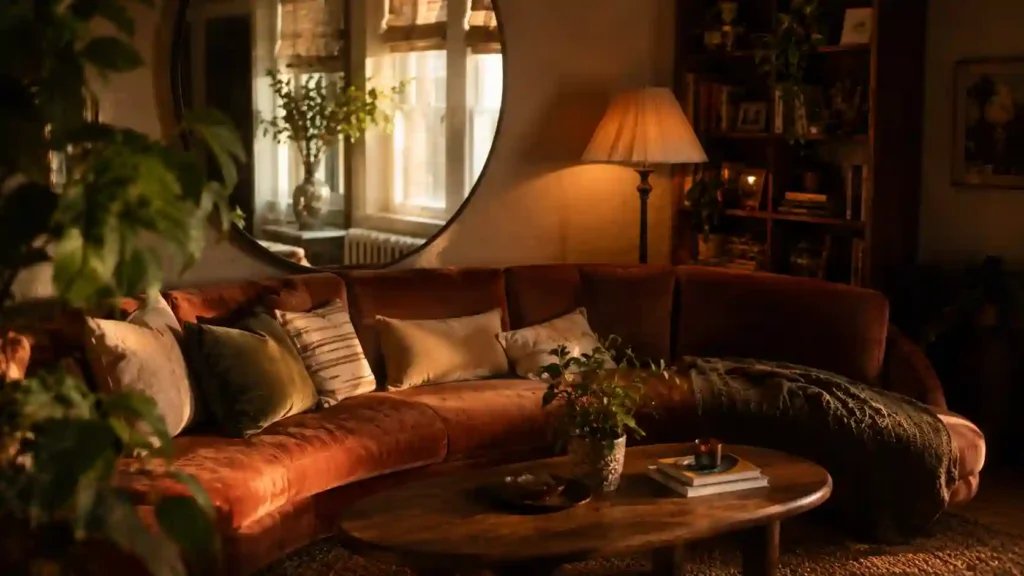
Curved sofa designs are having a genuine resurgence, and for good reason they create a feeling of openness that square-edged furniture doesn’t, while still being space-efficient in the right room shape. Vintage furniture blended with contemporary pieces creates the kind of layered look that feels collected over time rather than purchased in one trip, and it’s genuinely more affordable than buying everything new, since secondhand and antique pieces bring history into the room at a fraction of retail cost.
Storage solutions deserve real thought within any lounge interior ideas plan floating shelves, a tall bookcase, or wraparound book storage all give a room somewhere to display what actually matters to you, while a storage ottoman or pouffe doubles seating and storage in the same footprint. Wall-mounted media unit setups have largely replaced bulky wall-mounted TV unit consoles in newer lounge interior ideas, freeing up floor space that bulky furniture used to claim. Angled furniture and a glass coffee table both help a compact lounge feel less crowded angled pieces use corners more efficiently, and glass lets you see more floor, which genuinely does make a small space read as larger.
Texture, Pattern, and the Details That Add Personality Without Overcrowding:
Textiles, Lighting, and Small Decisions With Outsized Impact:
Texture is what separates flat, showroom-feeling lounge interior ideas from rooms that feel genuinely lived in. A patterned upholstery choice herringbone fabric, floral fabric, a bold geometric pattern works best when you start from one fabric featuring three or more colours and build the rest of the scheme outward from that palette. Throw pillow and throw blanket layering, paired with a substantial area rug, brings warmth into a space without requiring any structural changes. Velvet upholstery and coarse linen textures both add tactile richness; mixing the two within one scheme velvet cushions against a linen sofa, for example keeps a room from feeling one-dimensional.
Curtains, blinds, shutters, and drapes each change a room’s mood differently. Floor-length curtains hung close to the ceiling rather than just above the window frame make a room feel taller one of the simplest, most underused lounge interior ideas for low-ceiling spaces. Floral wallpaper or a textured wallcovering on a single feature wall introduces pattern without overwhelming an entire room the way wallpapering all four walls would.
Lighting layers matter enormously and get skipped constantly. Strategic lighting combining table lamp and floor lamp placement at different heights, alongside candles and lanterns for evening warmth, creates ambient lighting that a single overhead fixture simply can’t replicate. Natural light should be maximised wherever possible an oversized mirror placed opposite a window doubles the light reaching a room, while reflective surfaces throughout a space bounce both natural and warm lighting around more effectively.
Making Small or Awkward Lounges Feel Genuinely Bigger:
Practical Tricks for Compact, Narrow, or Low-Ceiling Spaces:
This is where the most genuinely useful lounge interior ideas live, because most people aren’t working with generous, perfectly proportioned rooms. Mirror placement remains one of the oldest, most reliable tricks an oversized mirror covering most of a wall creates an illusion of space by reflecting both light and the room’s decor back into itself. Declutter aggressively; every item left out should earn its place, and floor space visibility choosing furniture on legs rather than flush to the floor makes a tiny living room or studio flat lounge read as considerably larger than its actual square footage.
For a small open plan lounge, defining zones with a rug rather than walls keeps the openness while still giving each function its own visual space. Space-saving furniture modular pieces, nesting tables, furniture that serves double duty solves the practical reality of compact lounge living without sacrificing comfort. Painting skirting boards the same colour as the walls, rather than leaving them in contrasting white, removes a visual line that otherwise makes ceilings feel lower than they are.
Biophilic design incorporating houseplants and natural textures like reclaimed wood, bamboo, or recycled metals brings life and colour into a small lounge without taking up significant floor space, and it pairs naturally with sustainable materials and eco-friendly materials choices increasingly common in 2025 and 2026 lounge interior ideas. A parquet floor, where achievable, adds warmth and visual texture underfoot that vinyl or carpet alternatives rarely match.
Personalising the Room So It Reflects You, Not a Showroom:
Curated Layers, Statement Pieces, and Avoiding the Generic Trap:
The lounge interior ideas that tend to age best are the ones with a story behind them rather than a single cohesive look bought all at once. Folk-inspired decor, retro styles brought back with a modern twist, or eclectic decor mixing eras and origins all share the same underlying principle curated space feels intentional precisely because it was built gradually rather than purchased as a matching set. A custom furniture commission, a piece picked up while travelling, or a family heirloom layered alongside more contemporary furniture creates the kind of contemporary lounge that feels genuinely personal rather than replicated from a catalogue.
Statement art placed strategically on the largest open wall, away from corners and clutter, draws the eye toward openness rather than the room’s actual boundaries. A focal point fireplace real or simply a well-styled mantel gives a room a natural anchor that furniture arrangement can build around, solving layout indecision in one move. Maximalism, when it appears in lounge interior ideas, only works through genuine curation rather than chaos layering colour, pattern, and texture deliberately so the result feels rich rather than cluttered, with personality and conversation-starting pieces rather than visual noise. The throughline across every successful approach, whether minimalist living room or fully maximalist, is restraint applied with intention rather than randomness.
Conclusion:
The best lounge interior ideas aren’t the ones that photograph perfectly for a single afternoon they’re the ones still working for you a year later, through actual daily use, actual mess, actual life happening in the room. Start with how you genuinely use the space, choose a colour palette with staying power over trend-chasing, invest in furniture that earns its place, layer in texture and lighting deliberately, and use the small-space tricks above if you’re working with anything less than generous square footage.
Whether your lounge is a converted Victorian terrace front room, a studio flat corner, or a sprawling open plan space, the principle holds the same: function first, style layered carefully on top, and nothing in the room that doesn’t actually get used.
FAQs
Function should always come first, with style layered on top afterward, not the reverse. Deciding upfront whether the room needs to handle TV watching, reading, entertaining, or all three, and building the layout around that decision, is what prevents ending up with a beautifully staged room that doesn’t actually work for how you live in it day to day.
Colour drenching, painting the walls, trim, and ceiling all in one dark tone like charcoal or forest green, creates a more dramatic, enveloping effect since it blurs the room’s actual boundaries rather than highlighting them. A single feature wall, like sage green, delivers a similar grounding effect with far less commitment, making it the better starting point if you’re not ready to commit an entire room to one bold colour.
A rug placed under the seating area instantly marks out that zone visually without needing any structural change, and a console table positioned behind a sofa creates a subtle boundary between a living area and an adjoining dining space. This zoning approach works especially well in open plan lounges or open plan kitchen-lounge layouts where physical walls simply aren’t an option.
A custom upholstered sofa or armchair chosen deliberately is worth investing in over almost anything else, since it anchors the entire room and gets used daily for years. Once that’s covered, texture and lighting layered in through throw pillows, textiles, and multiple light sources add real warmth to a room without requiring another major furniture purchase.
An oversized mirror placed opposite a window doubles the natural light reaching the room and creates an illusion of extra space by reflecting the decor back into itself. Layering table lamps and floor lamps at different heights alongside candles for evening warmth builds ambient lighting a single overhead fixture can’t replicate, which matters even more in a small room where flat, uneven lighting makes the space feel tighter.
A corner sofa or L-shaped sofa fits more seating into less floor space than a traditional three-seater-plus-armchairs setup, which suits the constraints of a narrow room well. A curved sofa design is also worth considering, since it creates a feeling of openness that square-edged furniture doesn’t, while still being space-efficient in the right room shape.