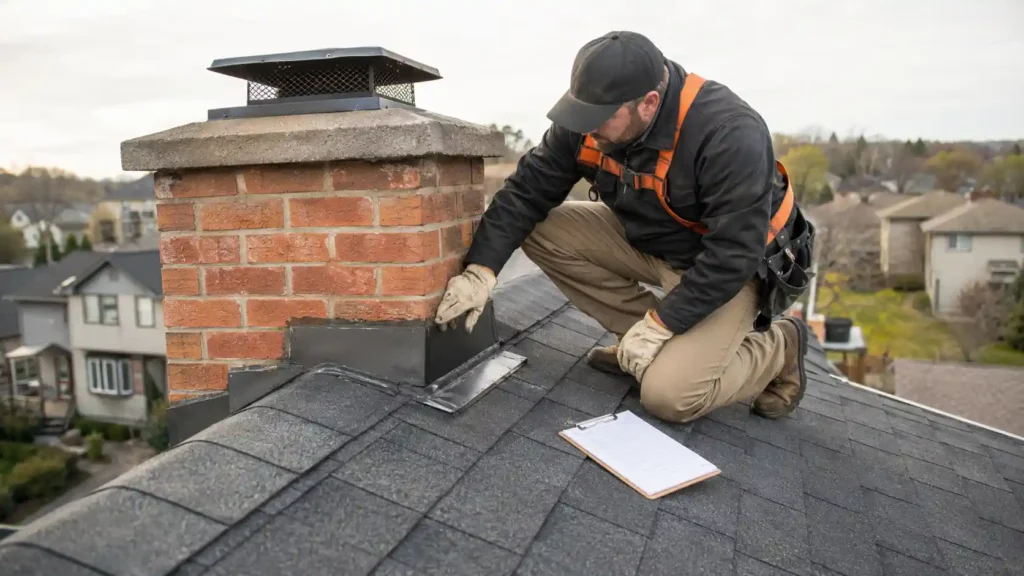
My first house had a roof problem I didn’t know about for two years. A slow leak near the chimney flashing, completely invisible from the ground, had been quietly wicking water into the attic insulation every time it rained. By the time I noticed the water stain on the ceiling below, the plywood decking in that corner needed replacing and there was mould growing on two rafters. The total bill was over three times what a routine professional roof inspection would have cost. That experience turned me into someone who takes roofing maintenance seriously and it’s exactly the kind of situation this activepropertycare apcroofing tips recap is designed to help you avoid.
According to data from the Insurance Institute for Business and Home Safety, roofs inspected on a seasonal schedule sustain 25% less storm damage than unmonitored ones. The US Department of Energy estimates consistent maintenance cuts roof repair costs by 30%. These aren’t abstract numbers. They describe the difference between a minor repair and a major one which is, most of the time, simply a difference in how early the problem got caught.
What the activepropertycare apcroofing tips recap Covers — And Why the Sequence Matters
This recap follows the logic of the apcroofing tips series from Brendan activepropertycare: inspection first, maintenance tasks second, seasonal adjustments third, and professional services in their proper place. Skipping to the end calling a roofer when something visibly fails is the version that costs the most money. Working through the sequence in order is what keeps roofing manageable, affordable, and genuinely preventive rather than reactive.
None of this requires becoming a roofing expert. It requires knowing what to look for, when to look for it, and when the right call is picking up the phone instead of picking up a ladder.
How Often Your Roof Actually Needs Inspection
The Biannual Schedule That Forms the Foundation of apcroofing Tips
The baseline recommendation from every credible source in the apcroofing tips recap is consistent: inspect your roof twice yearly, ideally in spring and fall. Spring inspection catches winter damage ice dams, snow buildup stress, membrane underlay issues, moisture that worked its way under shingles during freeze-thaw cycles. Fall inspection prepares the roof for whatever winter arrives next clearing debris, checking flashing sealant, confirming gutter system drainage is clean and functional before the first freeze.
Beyond that biannual schedule, post-storm inspection is non-negotiable after significant hail damage, high wind events, or heavy snow loads. These aren’t scheduled they happen when the weather demands them. And for roofs over 15 years old, quarterly inspection makes genuine sense. Age-related wear accelerates in ways that a six-month gap between checks can miss entirely. Asphalt shingle lifespan typically runs 20 to 50 years, but the final decade involves noticeably faster deterioration and that’s exactly when more frequent checks earn their keep.
Ground-Level and Attic Inspection — Where to Start Without a Ladder
What DIY Roof Inspection Covers Before You Call Anyone
The activepropertycare apcroofing tips recap consistently emphasises starting from the ground. A careful ground-level inspection with binoculars identifies missing shingles, curling shingles, buckling shingles, bare spots, sagging areas, and obvious damage to chimney flashing and fascia without any height risk whatsoever. Most homeowners skip this step because it feels too simple to be useful. It isn’t. The majority of visible roof problems are visible from the ground if you know where to look.
Paired with a ground-level check, an attic inspection covers the interior side of the same problems. From inside the attic, soft spots in the plywood decking indicate moisture damage that hasn’t yet shown on the exterior. Water stains on rafters reveal the path of existing leaks. Light visible through the roof structure indicates gaps. Insulation condition and attic ventilation performance both affect the roof’s long-term health — poor ventilation traps heat and moisture that shortens shingle lifespan and promotes wood rot from underneath. This combination of ground-level inspection and attic check covers most of what a basic DIY roof inspection reveals, and it’s the starting point for every apcroofing tips checklist.
The Core Maintenance Tasks Every Homeowner Can Handle
The activepropertycare apcroofing tips recap isn’t just inspection theory it covers the practical maintenance tasks that extend roof lifespan between professional visits. Most of these require no specialist skill. They require consistency.
Gutter cleaning is where most maintenance programmes fall apart. Clogged gutters back water up under shingles, saturate fascia, and eventually cause water damage to the roof edge and the walls below it. The fix is simple and cheap. The consequence of not doing it is neither.
Gutter Cleaning, Debris Removal, and Tree Trimming
The Three Tasks That Prevent the Most Common Roof Problems
Gutter clearing and downspout clearing should happen at minimum twice a year once in late spring after pollen and seed drop season, and again in late autumn once leaf fall is complete. Both clogs create standing water that has nowhere to go except up under roofing materials or down interior walls. While cleaning gutters, check for granule loss in the debris granules washing off asphalt shingles in quantity indicate the shingles are reaching end of life and a roof age assessment conversation with a roofer is warranted.
Debris removal from the roof surface itself leaves, branches, accumulated dirt matters because debris holds moisture against roofing materials. Moss growth and algae growth both start with persistent moisture sitting on shingles. Once established, both hold even more moisture and accelerate shingle deterioration. Moss removal and algae removal using soft brushing and manufacturer-approved treatments solve the problem without damaging the protective granule coating that pressure washing destroys.
Tree trimming specifically removing branches that overhang or brush against the roof prevents two separate problems simultaneously. Physical abrasion from branches scraping shingles removes protective granules and scratches the surface. Overhanging branches also drop debris and provide a bridge for pests to access the roof structure. Branch trimming is preventive maintenance that also reduces storm damage risk, since overhanging branches are the most common source of impact damage during high wind events.
Flashing, Sealant, and the Details That Stop Water Getting In
Why Deteriorated Flashing Is Behind More Leaks Than Any Other Single Cause
The activepropertycare apcroofing tips recap emphasises flashing sealant maintenance above almost every other specific task and the data supports that emphasis. Chimney flashing, vent flashing, and skylight flashing are the most common points of water infiltration on any residential roof. The sealant around these junctions degrades over time from UV damage and temperature fluctuation. Once it cracks or pulls away from the surface, water finds its way in with every rainfall.
Checking all flashing junctions during each biannual inspection takes fifteen minutes. Crumbling mortar around chimney crowns and chimney caps, deteriorated sealant at vent flashing, and lifted drip edge sections are all visible with basic attention and adequate lighting. Minor flashing repairs are the category of roofing work most worth doing promptly they’re inexpensive when caught early and extraordinarily expensive when the water damage they allow has been spreading unnoticed for months or years.
Seasonal Maintenance — What Changes Quarter to Quarter
The apcroofing tips series from activepropertycare apcroofing tips recap structures maintenance seasonally rather than as a single annual checklist. Each season brings different stressors, and the maintenance response shifts accordingly.
Spring means clearing winter debris, inspecting for ice damage and ice dam aftermath, checking that membrane underlay hasn’t shifted, and confirming gutter system flow is unobstructed after winter. Summer means inspecting for heat stress damage shingle warping and curling from sustained UV exposure and preparing for storm season by checking that all flashing and fasteners are secure. Fall means clearing leaves and preparing for winter: cleaning gutters fully, completing any minor leak repairs before cold weather makes them worse, and checking attic insulation condition before heating season. Winter means monitoring rather than active maintenance watching for snow buildup in vulnerable areas like skylights and chimney junctions, and checking attic inspection results if indoor moisture or temperature irregularities appear.
When to Call a Professional Rather Than Handle It Yourself
Reading the Line Between DIY Confidence and Expensive Mistakes
The activepropertycare apcroofing tips recap is clear on this boundary: ground-level inspection, attic inspection, gutter cleaning, debris removal, moss removal, and minor flashing sealant touch-ups all fall within competent DIY territory for most homeowners. Anything that requires walking the roof, assessing structural issues, replacing shingles at height, or making a repair vs replacement assessment belongs with a licensed roofing contractor.
Professional roof inspection costs $150 to $400 at the standard end, rising to $250 to $650 for comprehensive assessments that include thermal imaging inspection and moisture meter readings to detect hidden leaks. That cost is substantially lower than the emergency roof repair bill that follows from a problem caught six months too late. Professionals also provide roof inspection documentation that matters for insurance claim purposes a paper trail of regular maintenance that demonstrates the property received proper care, which homeowners insurance policies often require. Keep a maintenance log, preserve repair records, and request a formal roof inspection report from every professional visit. These documents protect your investment and support any future claims straightforwardly.
Keeping Roof Algae and Stains Under Control
Regular roof inspections can help homeowners catch minor issues before they develop into costly repairs. One common sign that a roof needs attention is black streaks and algae on roof shingles, which can become more noticeable over time, especially in areas that remain damp or receive limited sunlight. Routine roof cleaning and maintenance can help keep these growths under control while also allowing homeowners to spot damaged shingles, blocked drainage, or other problems that may affect the roof’s performance.
Conclusion
The activepropertycare apcroofing tips recap comes down to one practical principle: consistent, low-effort attention prevents expensive, high-stress emergencies. Inspect twice yearly plus after storms. Clean gutters and trim trees as routine maintenance. Check flashing at every inspection. Keep records of everything. Know when DIY ends and when a licensed roofing contractor should take over. Follow that sequence and a roof’s natural 20 to 30 year lifespan extends rather than shrinks which means tens of thousands of dollars in avoided replacement costs over the life of a home. That’s the case Brendan activepropertycare has been making across the apcroofing tips series, and the numbers consistently back it up.
Frequently Asked Questions
Inspect twice yearly spring and fall as the baseline. Add post-storm inspections after hail, high winds, or heavy snow. For roofs over 15 years old, quarterly checks catch age-related wear before it compounds into major repairs.
Start with gutter cleaning and a combined ground-level plus attic inspection. Check all flashing junctions for deteriorated sealant. Trim overhanging branches. Book a professional inspection within the first year of ownership 31% of problems found in home inspections involve the roof, making early assessment genuinely valuable.
A repair vs replacement assessment depends on roof age, extent of damage, and material condition. Asphalt shingles approaching 25 to 30 years with widespread granule loss, curling, or repeated localised leaks generally point toward replacement. Isolated damage on a roof under 15 years old typically warrants repair. A licensed roofing contractor’s roof inspection report should inform this decision.
Professional roof inspection runs $150 to $400 for standard visits. Comprehensive inspections using thermal imaging and moisture meters reach $250 to $650. Both figures are substantially lower than the cost of the emergency repairs they prevent and both produce documentation that supports insurance claims and maintenance records.