
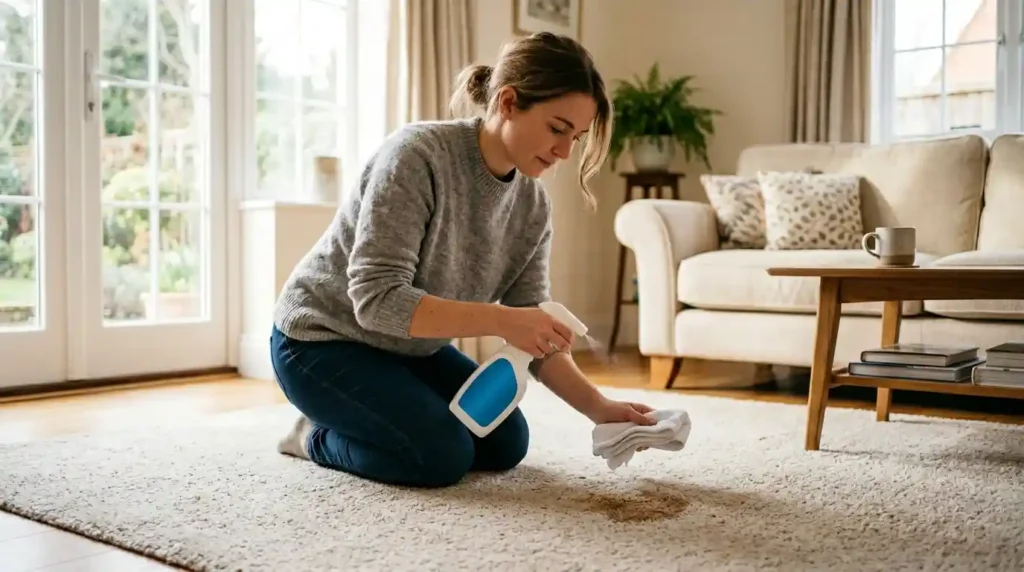
Okay so here’s the thing I learned most of what I know about carpet cleaning the hard way. A cream-coloured fitted carpet, a dog with a weak bladder, and zero clue what I was doing. I scrubbed. I soaked. I made it worse. That was about six years ago, and since then I’ve probably cleaned more carpets than any sane person should admit to.
This isn’t a manufacturer’s guide. It’s just what I’ve figured out some from trial and error, some from watching professionals work, and some from going down Reddit rabbit holes at midnight when a red wine stain wouldn’t budge.
Before Anything Else — Stop Dirt Getting In
I know this sounds like it belongs in a different article. Bear with me.
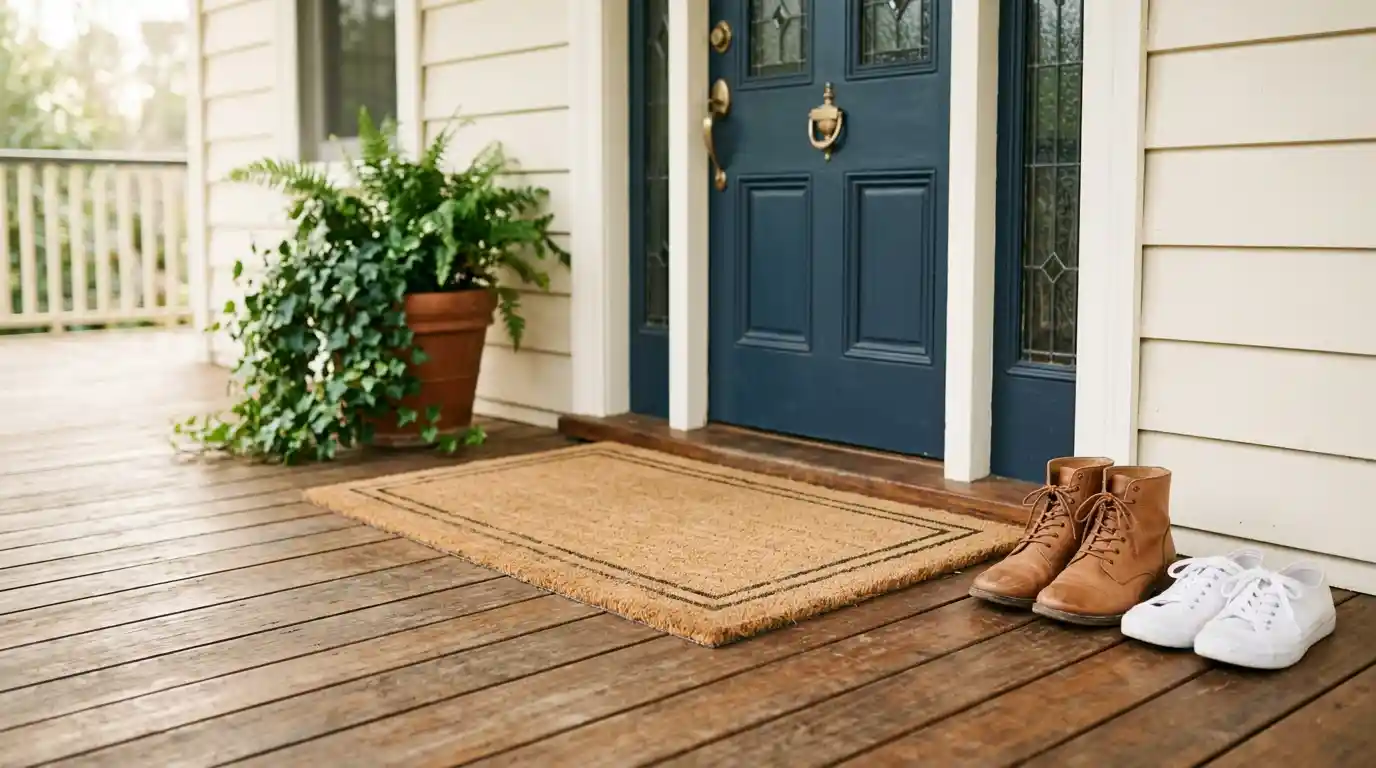
The single biggest difference between carpets that stay clean and ones that go grey within weeks? What happens at the front door. Mats outside, shoes off inside, decent air filters in the rooms these three things together keep dry soil and dust particles from embedding deep into carpet fibers in the first place.Keeping moisture and organic buildup under control doesn’t just help carpets stay cleaner—it also reduces the conditions that attract common household pests. If you’ve started noticing tiny insects hovering around sinks, showers, or utility drains while tackling home cleaning, our guide on Drain Flies explains why they appear, where they breed, and the practical steps that stop infestations before they spread throughout the house.
I used to ignore this completely. I’d vacuum twice a week and wonder why the carpet still looked dull. Once I started being consistent religious consistency, really about stopping dirt at the door, cleaning became dramatically less frequent and way less effort. Airborne dust that your air filter catches never reaches your fluffy fibers. Simple as that.
This won’t fix a stained carpet. But it changes how often you’re facing one.
Vacuum Thoroughly — More Than You Think You Need To
Right. So before any wet cleaning happens, you vacuum. Properly.
Not a one-pass job. Multiple passes, different directions, and pay attention to high traffic areas and the edges under furniture where debris collects and just… sits there. In a lived-in house I’d say 2–3 times a week minimum, though honestly in my hallway during winter it’s every other day.
The type of carpet matters here. Low pile carpet handles a rotating brush or beater bar fine. Wool carpet and shag rug — no. Suction only, maybe a turbo nozzle on the shag if you need extra lift. I destroyed a section of my sister’s shag rug with a rotating brush once. Don’t do that.
On the actual day you’re doing a deep clean carpet session, vacuum first, then wait. Let the air settle. Vacuum again. You’ll be surprised what the second pass pulls up. Done right this removes something like 74 percent of surface-level embedded dirt before water ever touches the pile.
Pretreating Stains — Do This Before Anything Else
Here’s where most people go wrong. They fill up the carpet cleaner machine, do the whole room, and then wonder why that pet stain in the corner still smells. You can’t machine-clean over untreated stains and expect them to disappear. You have to pretreat stains individually, based on what they actually are.
Pet stains and pet odors need an enzyme cleaner — not carpet shampoo, not white vinegar first. Enzyme cleaners specifically break down urine at the source. Everything else just masks it temporarily. Apply, let it dwell for a good five to ten minutes, then blot don’t rub. This matters: blotting pulls the stain up, scrubbing grinds it deeper into the carpet fibers and spreads it sideways.
For red wine club soda directly on the fresh stain, immediately. Then 1 tablespoon dish soap in 2 cups warm water, blotted with a clean towel from the outer edge inward. For grease and food stains, sprinkle baking soda or borax liberally over the spot first, leave it 15 minutes, vacuum, then treat with your mild detergent solution.
Old stains and tough stains are a different beast. I’ve had good results with one part white vinegar to three parts water left to sit before blotting. For anything seriously stubborn, 3 percent hydrogen peroxide works but always spot test first, especially on wool carpet or anything with deep colour. I skipped the spot test once on a dark blue bedroom carpet. Still cringing.
OxiClean and Folex are both worth keeping around. Folex especially — fast acting, no rinsing needed, and it’s handled some genuinely grim stains in my experience.
Two specific situations worth knowing:
The ice cube trick for gum removal is not a myth. Freeze the gum solid with ice, then chip it off the fibers carefully. Works cleanly. For wax removal, warm iron on a paper towel laid over the wax the heat pulls it straight up into the paper. I use this after candle disasters and it’s satisfying every time.
Homemade Solutions That Are Worth Your Time
DIY carpet cleaning gets a bad reputation because people use the wrong ratios or the wrong combinations. Used properly, a homemade solution handles most routine jobs without any machine at all.
Basic maintenance mix: half cup white vinegar, one cup water. That’s it. Light application, proper blotting, let it dry fully. For something with more power — equal parts salt and baking soda, sprinkled and left to sit for 30 minutes, vacuumed up, then followed by the vinegar water mix.
For spot cleaning on the go, the DIY spotter I use is one teaspoon dish soap mixed into two cups of isopropyl alcohol. Spray liberally on the stain, work it gently into the tufts — not all the way to the backing — let it sit five minutes, then rinse and blot. Here’s the trick: put a paper towel over the damp spot and weigh it down overnight with something heavy. A saucepan works. The wicking action slowly pulls residue up from deep pile as everything dries. Peel it off in the morning and the spot is usually gone.
Key thing: if you leave any residue behind after cleaning, it attracts grime faster than untreated carpet would. Rinse with hot water until the towel comes away with nothing on it.For full room hand cleaning, 4 oz Simple Green per half gallon of water is a solid all-purpose mix. You can add a few drops of essential oils lavender, lemon, or tea tree to freshen carpet and deal with background odor. Don’t overdo it though. Too much and you’re cleaning the smell of the cleaner next time.
Cleaning a Full Carpet Without Any Machine
I’ve done this. On a fitted bedroom carpet, roughly 2 by 3 meters, in a house where machine access wasn’t possible. It’s not quick. But it works. Empty the room first or as much of it as you can. Move furniture, not just shove it aside. Vacuum thoroughly. Make your cleaning solution. Then work in 1 square meter sections: apply solution, agitate gently with a stiff bristle brush or carpet broom, let it sit 10 minutes. Rinse with a hot water damp towel, blot with a dry towel, repeat. Keep going section by section.
Open windows. Get a fan running. Drying time for carpet cleaned this way is typically 6 to 12 hours you want air moving through the room the whole time. Don’t walk on it. Fresh foot traffic on damp fibers defeats the whole thing. If you’re working without vacuum at all say you’re dealing with a low quality carpet or small area rug in a place with no hoover a carpet sweeper or stiff bristle brush first, then hand cleaning, gets most of the job done. It’s slower. But it’s not impossible.
Machine Cleaning: What’s Actually Worth Renting or Buying
If you’re cleaning a full room or dealing with seriously embedded dirt and grime, a carpet cleaner machine makes the job faster and pulls more out of the pile than hand cleaning can.
The Bissell Big Green is the one I’d recommend for most people. It’s not cheap but it’s built for residential use, the spray extraction is powerful, and the self-cleaning technology means the post-job rinse isn’t disgusting. The Hoover SmartWash is more budget-friendly and genuinely easier to use good for someone doing this once a year rather than regularly. At the premium end, the Tineco Carpet Cruiser is quieter than both and dries faster, which matters if you’ve got a large room and can’t leave it empty all day.
For rentals, the Rug Doctor gets the job done on high traffic areas. Not glamorous but solid.For portable spot cleaning pet urine elimination, upholstery cleaning, isolated stains the Bissell StainStriker and the HydroRinse attachment are both genuinely useful to have around between full cleans. The Ameribest and Eufy portables are also popular picks and available easily enough.
Regardless of which machine: pre-spray smart, let the solution dwell properly before you extract, and always groom the carpet afterward with a carpet broom to restore the fibers. The rinse pass —watching the dirty water come up through spray extraction is, honestly, the most satisfying part of the whole process. Steam cleaning via a steam mop with carpet attachment works for light maintenance but it’s not a deep clean. Don’t lean on it for embedded dirt or any wet stain.
Wool Rugs, Shag Mats, and Why They’re Different
Worth its own section because I’ve seen people ruin expensive rugs by treating them like standard carpet. Wool carpet cannot handle ammonia cleaner, high heat, or hydrogen peroxide without a proper spot test first. The fibers shrink and the colour bleeds. Cold water, mild dish detergent, gentle agitation that’s the approach. Enzyme cleaner for any pet-related stains. No rotating brush, no beater bar.
Shag rug is the other tricky one. Those long fibers trap dry soil and debris right near the backing where suction barely reaches. Suction-only pass first, then agitate by hand gently if needed. Always check the care label on the underside before applying anything. If you can take the rug outside do it. Flip it, brush both sides, vacuum both sides, and get the lingering stray hairs out. Especially if you have pets. Area rugs generally follow similar cleaning steps to fitted carpet, but you have the option of a more thorough wash outdoors with a hose if the manufacturer’s guidelines allow. Jaipur Rugs and similar hand-knotted constructions need extra care when in doubt, send it to a professional every 12 to 18 months and maintain it yourself in between.
The Maintenance Stuff That Actually Keeps Carpets Looking Good
Deep clean every 12 to 18 months is standard advice, and it’s right. But what happens between those cleans matters just as much. Regular vacuuming 2–3 times a week. Baking soda sprinkled liberally and left 15 minutes before vacuuming, done every few weeks, keeps odor elimination ticking along without any wet cleaning. During allergy season, bump up your vacuum frequency and use SOA certified solutions when you do spot clean they’re tested to not leave the residue that regular household cleaner’s do, which matters for anyone with dust or pet sensitivities.
No bare feet on freshly cleaned carpet. Skin oils transfer directly to carpet fibers and re-soil the surface faster than you’d think. It sounds fussy but it makes a real difference in how long a clean lasts. Address stains within minutes. Always. The longer urine stains, red wine, or food stains sit, the deeper the dye and the proteins bind into the carpet fibers, and at a certain point even the best enzyme cleaner or OxiClean isn’t pulling it fully back. Quick action and a proper game plan for each stain type is worth more than any machine on the market.
Conclusion
Knowing how to clean a carpet well isn’t really about having the fanciest machine or the most expensive products. It’s about timing, consistency, and not panicking when something spills. Treat stains fast, vacuum more than you think you need to, and do a proper deep clean once or twice a year. That’s genuinely most of it. The rest is just figuring out what your specific carpet needs and now you have enough to work that out yourself.
FAQs
Running a machine over an untreated stain without addressing it first often just spreads the problem instead of removing it, which is why pet stains and other spots still smell or show up after a full-room clean. Different stains need different pretreatments, like an enzyme cleaner for pet urine or club soda for fresh red wine, and getting that step right before machine cleaning is what actually determines whether the stain comes out.
It depends entirely on what caused the stain. A vinegar-and-water mix works well for general maintenance cleaning and light spots, while enzyme cleaner is specifically necessary for pet urine, since it breaks the stain down at a chemical level rather than just masking the smell the way vinegar or regular carpet shampoo would.
Empty the room as much as possible, vacuum thoroughly, then work in small sections, roughly one square meter at a time, applying your cleaning solution and agitating gently with a stiff brush before rinsing with a hot, damp towel and blotting dry. It’s a slower process than machine cleaning, and expect drying time of 6 to 12 hours with good airflow, but it’s genuinely achievable even on a full room.
Renting something like a Rug Doctor makes sense if you’re only doing a deep clean once or twice a year and don’t want the storage or cost of owning a machine. Buying is worth it if you’re cleaning regularly or dealing with pets, since a machine like the Bissell Big Green offers stronger extraction than a rental typically provides, while budget options like the Hoover SmartWash suit occasional users just fine.
Wool rugs can’t handle ammonia-based cleaners, high heat, or hydrogen peroxide without shrinking or bleeding color, so cold water, mild dish detergent, and gentle agitation are the safer approach. Shag rugs have their own quirk, since their long fibers trap dirt near the backing where suction barely reaches, so a suction-only pass followed by gentle hand agitation works better than a rotating brush, which can damage the fibers.
A full deep clean every 12 to 18 months is the standard recommendation, but what happens in between matters just as much. Vacuuming 2 to 3 times a week and sprinkling baking soda every few weeks to sit before vacuuming helps keep odor and everyday soil under control between those bigger cleaning sessions.



5 thoughts on “How to Clean a Carpet: Real Methods That Actually Remove Stains”