
Will this actually pay off? That’s the question every homeowner asks right before they call a contractor. And honestly, most of the time the answer is no. Most renovations don’t return every dollar you sink into them. A handful do, though, and knowing which ones is the difference between a smart pre-sale investment. And an expensive mistake you’ll regret at closing. This is which improvements increase home value MintPalHouse has actually tracked. Ranked by cost-vs-value data and real listing outcomes not guesswork.
You’ll see where your budget goes furthest, which “luxury” upgrades quietly lose money. And how to document the work so an appraiser gives you credit for it. If you’re torn between a full remodel and a few targeted fixes, this should settle it.
What Improvements Increase Home Value the Most Right Now
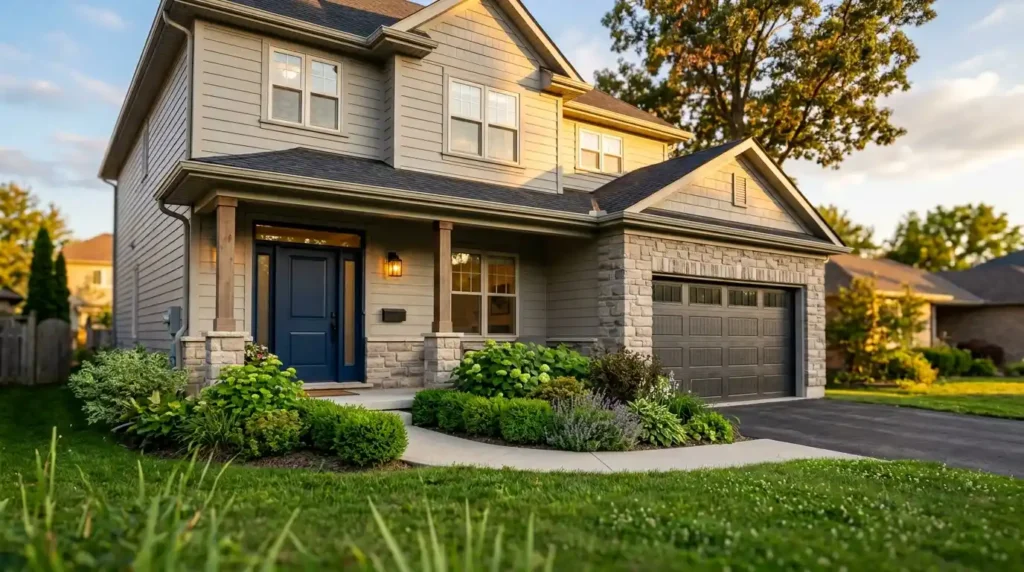
Not all renovations are created equal. Not even close, actually the gap between the best and worst performers is bigger than most homeowners assume going in. Curb-appeal projects and smaller, functional fixes tend to beat big luxury remodels, and the reason is simple. Buyers form an opinion the moment they pull into the driveway. Long before they’ve seen a single square foot of interior. Exterior work also costs less than gutting a kitchen or bathroom. Which mechanically inflates the ROI percentage even when the raw dollar amount added isn’t huge.
The annual Cost vs. Value Report (a widely cited comparison compiled by Remodeling magazine. Drawn from surveys of real estate professionals) shows this pattern year after year exterior replacements consistently beat discretionary interior upgrades. Zillow and HomeLight report similar patterns in their own seller data. And Angi’s contractor reviews back it up from the buyer side too. The takeaway isn’t complicated. Value has less to do with how much you spend and more to do with what a buyer actually notices and trusts.
What Adds the Most Value to a House?
Garage door replacement. It tops most ROI rankings, with some cost-vs-value data showing recoup rates near 268% meaning the value it adds at resale can exceed what you paid for it. A new steel entry door lands in a similar tier, often around 216% recoup, and it’s cheap to install too, frequently under $2,500. Two projects, huge impact, minimal cost. That’s a rare combination in home improvement.
Do Kitchen Remodels Really Pay Off?
Yes but only the modest ones. A minor kitchen remodel means new cabinet fronts, updated counters, modern hardware, fresh paint. Not a full gut job. That kind of restrained update tends to recoup around 113%, while a sprawling high-end overhaul with imported stone and custom cabinetry returns far less relative to what it costs. Buyers want a kitchen that looks current. They almost never pay dollar-for-dollar for marble.
High-ROI Exterior Upgrades Worth Prioritizing
Exterior improvements move the needle faster than almost anything else, and per square foot, they’re usually the cheapest way to do it. A buyer’s first walk-up sets the tone for everything that follows, so a tired-looking facade drags down even a genuinely beautiful interior. I’ve watched listings with a gorgeous renovated kitchen sit on the market for weeks turns out the siding looked dated in the listing photos, and nobody ever booked a showing to find out what was inside. The exterior does marketing work whether you plan for it or not.
Manufactured stone veneer, fiber-cement siding, basic landscaping cleanup these round out the category, and none of them typically require structural changes or heavy permitting. What they share is visibility. They’re fast to complete, and they photograph well, which matters more than people realize once a listing goes live online.
Is Manufactured Stone Veneer Worth the Cost?
Yes, and it’s one of the strongest performers around, with recoup rates reported near 208% in recent cost-vs-value comparisons. Wrapping the lower third of a facade, or just a porch column or two, costs a fraction of full-home siding replacement but delivers a disproportionately large visual upgrade.
How Much Value Does New Siding Add?
Fiber-cement siding covering roughly 1,250 square feet, which is the common benchmark used in these studies tends to recoup around 114% of its cost. Vinyl is cheaper going in, sure, but it typically returns less at resale, since buyers and appraisers increasingly associate fiber-cement with durability and a higher-end finish overall.
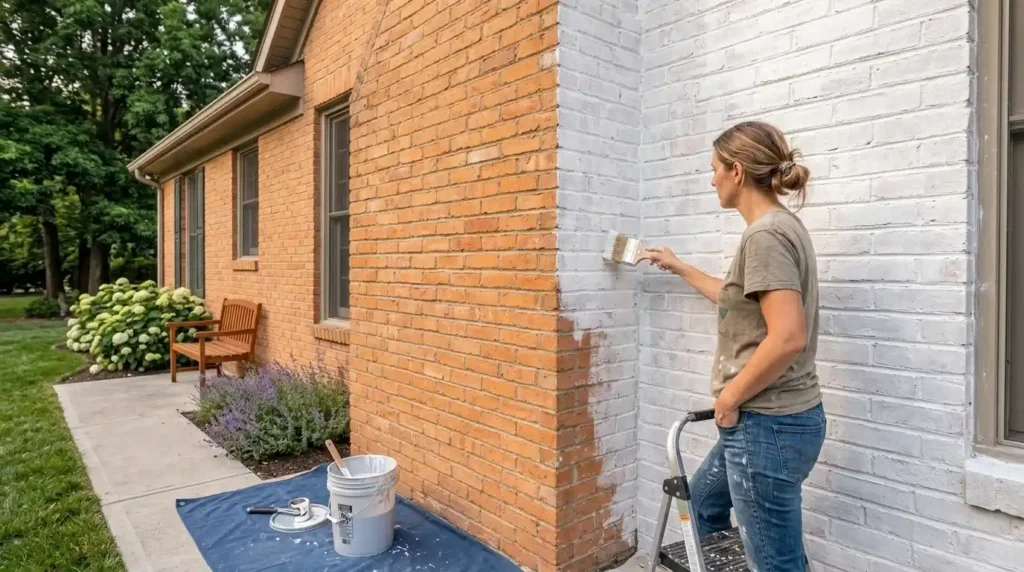
Don’t overlook the free stuff either: pulling weeds, trimming shrubs that have gotten out of hand, repainting a faded mailbox, putting up clean house numbers. None of it costs much. All of it shapes a buyer’s opinion before they’ve even touched the front door.
Interior Renovations That Actually Move the Needle
Interior projects generally return less than exterior ones, dollar for dollar. But a few specific spaces still consistently outperform the rest. Buyers price a home room by room in their heads, whether they realize it or not and an outdated kitchen, a cramped bathroom, unused square footage in the basement, all of it gets silently deducted from their eventual offer.
Finishing an unfinished basement is one of the more reliable interior plays. It often returns somewhere around 70% of project cost while adding genuinely livable square footage a home office, a guest suite, extra storage that reads as usable space in a listing rather than dead square footage. Bathroom remodels, flooring updates, opening up a closed floor plan they all follow the same logic. Buyers pay for space that functions, not space that merely exists on paper.
Does Finishing a Basement Increase Home Value?
Yes. Finishing a basement adds usable living space and typically returns around 70% of the project’s cost, based on common cost-vs-value benchmarks, which puts it among the better interior investments when the space is currently sitting unused. It performs even better when it’s framed as a bedroom or a home office rather than a vague “rec room.”
Are Flooring Upgrades Worth It Before Selling?
They’re worth it. Replacing worn carpet with hardwood or a quality luxury vinyl plank is one of the upgrades buyers notice fastest, since flooring sets the tone for every room it touches. It won’t single-handedly transform an appraisal on its own, but it removes one of the most common objections buyers raise on a walkthrough. Unlike a fresh coat of paint, flooring is hard to miss in listing photos.
Smaller additions a walk-in wardrobe, a dressing room, a converted utility room can add a premium of up to roughly 5% in the right neighborhood, sometimes for a project costing as little as $6,000. A garage conversion into a bedroom or living area can push that even higher, up to 10% in some markets, but only if it’s done to code and doesn’t wipe out parking buyers were counting on.
Small, Smart Upgrades With Outsized Impact
Not everything worth doing needs a contractor. A fresh coat of neutral paint is still one of the cheapest, highest-return moves on this whole list it modernizes a space instantly and lets buyers picture their own stuff in it instead of yours. Swapping out dated hardware, upgrading light fixtures, regrouting bathroom tile: these are weekend projects, and they quietly remove reasons for buyers to negotiate the price down.
These small fixes get less credit than they deserve, because buyers translate visible neglect into invisible neglect without even meaning to. A peeling strip of wallpaper or a dripping faucet raises the question “what else got skipped?” even if the HVAC and plumbing are both in perfect shape underneath. Fixing the obvious cosmetic stuff first is almost always the highest-leverage move you can make before listing.
What Small Home Improvements Increase Value Before Selling?
Fresh neutral paint, updated lighting and hardware, regrouted tile, basic landscaping cleanup these are the highest-leverage small fixes, and they’re cheap precisely because they address what buyers notice first. None of them need structural changes. Most can be knocked out in a weekend for a few hundred dollars, total.
Renovations That Rarely Pay Off
Some upgrades just don’t earn their keep, and over-improving for your neighborhood is one of the most common ways sellers actually lose money. A backup generator, a pool, a full home theater sure, they might make your day-to-day life better. But appraisers cap a home’s value near what’s standard for the neighborhood, no matter how much personalized luxury you’ve layered on top. If comparable homes on your street are selling around $450,000, a $60,000 pool addition usually won’t push your appraisal meaningfully past that ceiling. It just won’t.
Highly personal choices bold accent walls, unusual tile, niche wallpaper run into the same wall. What reads as exciting design potential to you can look like a liability to a buyer who now has to budget for undoing it before they move in. The safer renovation strategy before a sale leans neutral. Broadly appealing beats personalized, every time, when resale is the goal.
How to Prove the Value When You Sell
Renovations only help your bottom line if someone can actually verify them a buyer, an agent, an appraiser. Keep receipts for every major project: HVAC replacements, roof work, plumbing repairs. Organize them into a folder, physical or digital, that you can hand over at a listing appointment without scrambling. An appraisal backed by receipts and, where relevant, third-party inspection reports tends to hold up far better than one resting on a seller’s word alone.
Got an insulation audit done, or made some energy-efficiency upgrades? Keep that paperwork too. Energy-efficient improvements are factoring into buyer decisions and some appraisal models more than they used to. A well-documented renovation history doesn’t just support a higher asking price. It speeds up negotiations, too, because buyers spend less time second-guessing what’s hiding behind the walls.
Conclusion
If there’s one pattern across which improvements increase home value MintPalHouse has reviewed, it’s this: cost-effective, visible fixes beat expensive, personalized ones almost every time. Garage doors, entry doors, stone veneer, and siding deliver the strongest returns, while modest kitchen and basement projects round out the interior side. Skip the luxury upgrades that outpace your neighborhood, keep your paperwork organized, and put your money toward what buyers actually notice on a walkthrough. That’s where the return lives.
FAQs
Garage door replacement, most years. It consistently ranks at or near the top of cost-vs-value comparisons, often recouping well over 100% of its cost, and it’s cheap relative to other exterior projects with an immediate visual payoff from the street.
Yes, especially modest ones regrouting, new fixtures, updated lighting, rather than a full gut renovation. Buyers respond strongly to a clean, updated bathroom, but over-customized high-end remodels rarely return their full cost at resale.
For targeted, high-ROI projects paint, minor kitchen updates, exterior fixes yes. Large discretionary renovations, on the other hand, often don’t recoup their cost in the short window before a sale, so focus spending on what a buyer will actually notice.


1 thought on “Which Improvements Increase Home Value MintPalHouse: 7 Upgrades That Recoup 100%+ at Resale”