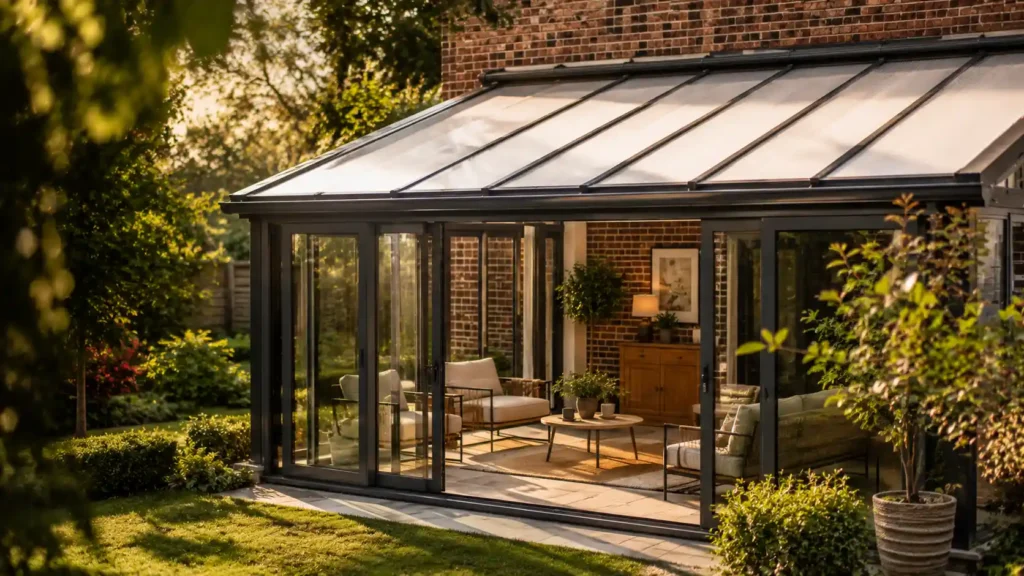
My neighbour replaced her conservatory roof twice in eight years once with glass, once with tiles before finally landing on polycarbonate roofing and actually being happy with it. The glass was beautiful for about one summer, then the heat buildup made the conservatory unusable from June through September. The tile roof fixed the heat problem but blocked all the light and turned the space into something resembling a slightly gloomy basement. Polycarbonate roofing panels solved both problems simultaneously, and she’s not alone in that experience. This is exactly why activepropertycare homeowners love polycarbonate roofs not because it’s fashionable, but because it actually solves problems that more expensive options don’t.
This guide from activepropertycare homeowners love polycarbonate roofs community walks through what polycarbonate roofing actually is, why so many homeowners keep coming back to it, where it genuinely outperforms alternatives, and where its limitations matter enough to know about before you buy.
What Polycarbonate Roofing Actually Is — And Why It Works
Polycarbonate is a thermoplastic polymer a type of plastic, technically, though that word undersells it considerably. Polycarbonate resin gets extruded into sheets during manufacturing, producing panels that are simultaneously transparent, flexible, and remarkably tough. This isn’t the flimsy plastic of cheap garden furniture. It’s the same material used in riot shields, aircraft canopies, and bulletproof glazing.
The version that ends up on residential conservatory roofs, pergola covers, and garden room roofs comes in several distinct types. Each serves different purposes depending on the project.
Sheet Types and What Each One Does
From Single-Layer to Multiwall — Matching the Sheet to the Job
Single-layer polycarbonate sheets are the most affordable option and suit lightweight applications like greenhouse construction or simple canopy covers. They transmit light well but offer limited insulation. Twin-wall polycarbonate sheets introduce a second layer with an air gap between, significantly improving thermal insulation without a dramatic price jump. Multiwall polycarbonate sheets extend this principle further three or more layers delivering considerably better heat retention and noise reduction than either single or twin-wall options.
Corrugated polycarbonate sheet handles applications where structural rigidity matters more than insulation workshop roof panels and carport roof sections particularly. Structured polycarbonate sheets and honeycomb polycarbonate variants sit at the heavy-duty end, offering higher durability for commercial building and industrial building applications where the roof faces sustained mechanical stress. Sheet thickness typically runs from 4mm polycarbonate panel options for light residential use up to 16mm polycarbonate sheet for fully insulated structures requiring serious thermal performance.
Colour Options and Light Transmission
Clear, Opal, Bronze — How Colour Affects the Space Below
Clear polycarbonate panels transmit natural light at near-glass levels, making them popular for conservatory roofs and sunrooms where maintaining a bright, airy feel matters most. Opal polycarbonate diffuses light rather than transmitting it directly eliminating harsh shadows and glare while still letting plenty of natural daylight through. This diffused light quality actually suits greenhouse construction particularly well, since crops benefit from even light distribution rather than direct sun patches.
Bronze polycarbonate and blue polycarbonate both reduce light transmission intentionally, which suits patio covers and pergola roofs where some shading is welcome. Silver polycarbonate works well for hot climates where infrared radiation reflection becomes important for managing the temperature of the space below. Tinted polycarbonate options across these colour ranges all maintain the same impact resistance and UV blockage properties as clear variants the colour choice affects light management, not structural performance.
Why activepropertycare homeowners love polycarbonate roofs — The Core Benefits
There’s a reason activepropertycare homeowners love polycarbonate roofs so consistently across different property types and climates. The material genuinely delivers across several performance areas simultaneously, which most roofing materials don’t manage.
The combination of impact resistance, lightweight construction, UV protection, thermal insulation, and low maintenance cost in one material is genuinely unusual. Most alternatives excel in one or two of these areas while compromising on others. Polycarbonate roofing holds its own across all of them at a price point significantly below glass.
Impact Resistance That Makes a Real Difference
Shatterproof, Hail-Resistant, and Safe Around People
Polycarbonate is virtually unbreakable in practical residential and commercial use. Independent testing consistently places it at 200 to 250 times greater impact resistance than glass of equivalent thickness. During hailstorms a genuine concern for conservatory roofs and patio covers glass cracks and shatters. Polycarbonate absorbs impact without fracturing. Even under repeated hail impact, a quality UV-coated polycarbonate roof panel maintains its structural integrity where glass would require immediate replacement.
Unlike glass, which shatters into sharp fragments on failure, polycarbonate doesn’t produce dangerous shards. This safety characteristic makes it the sensible choice for sports facility roofing, swimming pool roof applications, and any outdoor structure where people gather regularly beneath the roof surface. Scratch-proof polycarbonate options address the one area where standard panels are vulnerable surface scratching from abrasion by incorporating harder surface treatments that resist permanent scratch marks.
Lightweight Construction and What It Means for Installation
50% Lighter Than Glass — and Why That Changes the Cost Equation
Polycarbonate sits roughly 50% lighter than glass of comparable dimensions. This matters more than it might initially seem. Lighter roofing material places less structural load on the supporting framework, which often means existing conservatory structures or pergola frames don’t require reinforcement before installation. Frame reinforcement on older conservatories adds cost and time avoiding it by choosing polycarbonate over glass conservatory roof alternatives can offset much of the price difference between the two materials.
The lightweight nature also significantly reduces installation labour. A professional installation team installs polycarbonate panels faster and with less specialist equipment than glass. The interlocking design of most polycarbonate roofing systems speeds up fitting further. Most garage roof and workshop roof projects complete in 1 to 2 days. This reduced installation labour contributes to the 40% reduction in total installation cost that polycarbonate typically delivers versus glass for comparable projects.
UV Protection and Thermal Performance
Why activepropertycare homeowners love polycarbonate roofs for Energy Efficiency
Standard glass blocks roughly 25% of UV rays. A quality UV-coated polycarbonate or OMIPA-coated sheet blocks UV radiation far more effectively protecting furniture, flooring, and the people using the space below from prolonged UV exposure. This UV blockage also slows the fading of interior furnishings noticeably compared to glass conservatory roofs, which represent a real long-term cost saving in a room where sofas, rugs, and curtains take direct sunlight.
Thermally, multiwall polycarbonate sheets reduce heat transfer by up to 50% compared to single-layer alternatives. In practical terms, this translates to 15% to 30% cooling cost reduction for commercial buildings, with residential benefits scaling proportionally. The 5 to 7 year payback period on the additional cost of multiwall versus single-layer is well within the roof’s 10 to 20 year standard lifespan. Combined with reduced artificial lighting need during daylight hours natural daylight penetrating the roof eliminates daytime lighting costs entirely the energy efficiency case for polycarbonate roofing is genuinely strong.
The Real Cost Picture — What activepropertycare homeowners love polycarbonate roofs to Deliver Value-For-Money
Polycarbonate roofing isn’t the cheapest material available on a per-sheet basis. A standard sheet runs $50 to $80 in the US, with Vicwest Suntuf panels priced around $57 and Tuftex corrugated sheets around $60. Per square foot pricing runs $2 to $7 for residential applications, rising to $10 to $16 per square foot for commercial-grade high-strength solid polycarbonate. In Europe, expect €10 to €30 per square metre depending on sheet type and thickness.
Despite these numbers, polycarbonate regularly undercuts the real alternatives. A glass conservatory or solarium running 85% glass costs between $10,000 and $30,000 for the glazing alone. Polycarbonate delivers comparable light transmission and weather protection at a fraction of that figure.
Getting the Cost Right Before You Commit
Bulk Discounts, Multiple Quotes, and Avoiding Expensive Mistakes
Purchasing in bulk reduces polycarbonate roofing sheet cost by 10% to 20% on most supplier pricing worth organising if the project involves a larger conservatory roof, full greenhouse construction, or a multi-bay carport roof. Wholesale pricing varies meaningfully between suppliers, so comparing quotes from multiple sources before committing is worth the effort. The activepropertycare polycarbonate roofing approach consistently recommends getting at least three free quotes for any installation project before committing.
DIY installation is genuinely viable for straightforward polycarbonate roofing projects with simple rectangular layouts and accessible roof heights. The interlocking design and lightweight nature of the panels make self-installation manageable for competent DIYers. More complex projects involving custom cutting, waterproof sealing at junctions, or specialist flashing around chimneys and walls benefit from professional installation. Errors in sealing and flashing lead to water ingress that’s expensive to diagnose and fix after the fact this is where professional installation earns its cost back quickly.
Where Polycarbonate Roofing Has Genuine Limitations
Honest property care advice the same kind activepropertycare homeowners love polycarbonate roofs content is built around includes the downsides, not just the benefits. Polycarbonate roofing has real limitations worth understanding before installation. Scratch susceptibility on standard panels means dragging branches or debris across the surface leaves permanent marks that glass wouldn’t sustain. UV-resistant paint coatings slow this but don’t eliminate it entirely.
Yellowing and discolouration over time represents another genuine concern. Lower-quality polycarbonate roofing sheets without adequate UV-protective coatings begin yellowing within a few years, progressively reducing light transmission and looking increasingly tired. Investing in quality UV-coated polycarbonate from the outset avoids this cheap panels false-economy their way to expensive replacement within five years.
Noise and Heat — The Two Complaints That Come Up Most Often
Managing Rain Noise and Summer Heat Buildup Practically
Rain noise on polycarbonate roofing sits noticeably above glass or tile alternatives. During heavy rain a corrugated polycarbonate sheet or single-layer panel produces significant drumming that some households find intrusive particularly on conservatory roofs where the space sits adjacent to living areas. Multiwall polycarbonate sheets reduce this considerably through their layered construction, and insulated structures using 16mm panels bring noise levels down further. It’s not eliminated, but it’s manageable with the right sheet specification.
Heat buildup in summer remains a genuine issue for clear polycarbonate conservatory roofs without adequate ventilation. The solution isn’t a different material it’s appropriate ventilation design alongside the roofing choice. Opal polycarbonate or bronze polycarbonate reduces direct solar gain compared to clear panels. Proper ridge venting and opening roof lights further manage internal temperature without sacrificing the natural light transmission that makes polycarbonate the preferred choice in the first place.
Conclusion
activepropertycare homeowners love polycarbonate roofs because they consistently solve the problems that send people back to the market for a second or third roofing attempt heat, glare, weight, cost, and fragility. The material isn’t perfect, and honest property care advice acknowledges its limitations around scratch susceptibility, rain noise, and the quality variation between cheap and premium sheet options.
But across the full picture of performance, cost, lifespan, and ease of installation, polycarbonate roofing delivers genuine value that glass, tile, and metal alternatives regularly fail to match at an equivalent price point. Choose the right sheet type for the application, invest in quality UV-coated panels, spec the installation correctly, and a polycarbonate roof earns its keep across the full 10 to 20 year standard lifespan often considerably longer with basic maintenance.
FAQs
Polycarbonate delivers similar light transmission to glass at significantly lower cost and installation weight. It handles impact without shattering, blocks UV radiation more effectively, and eliminates the structural load concerns that glass conservatory roofs create for older frameworks.
A quality UV-coated polycarbonate roof lasts 10 to 20 years under standard residential conditions. With proper maintenance and quality panels, some installations reach 25 years. Cheaper uncoated panels yellow and degrade significantly faster often within five years which is why panel quality matters more than panel price alone.
DIY polycarbonate roof installation works well for straightforward rectangular projects at accessible heights. Complex layouts requiring custom cutting, intricate flashing, or precise waterproof sealing at junctions are better handled by professional installers. Errors in sealing lead to water ingress that costs more to fix than professional installation would have cost upfront.
Rain noise does sit noticeably above glass or tile, and a single-layer or corrugated sheet can produce significant drumming during heavy rain, which some households find intrusive near living spaces. Multiwall sheets reduce this considerably through their layered construction, and insulated 16mm panels bring noise levels down further, so it’s manageable with the right sheet specification even though it isn’t fully eliminated.
Lower-quality polycarbonate roofing sheets without adequate UV protection do yellow over time, reducing light transmission and looking dated. Quality UV-coated polycarbonate and OMIPA-coated sheets resist this significantly. Investing in quality panels at installation avoids replacement costs within five years.