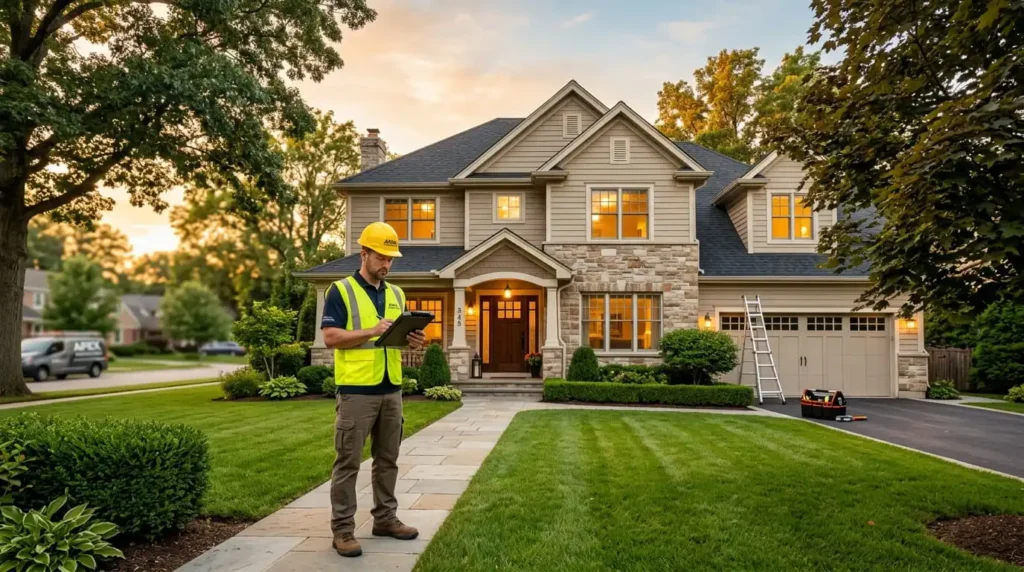
In real-world property management, most issues begin with a reactively built mindset where something breaks, a leak appears, or a system stops working and suddenly becomes the top priority. This is one of the main reasons why small issues turn into expensive problems. A more effective approach is not based on response, but on anticipation, supported by regular oversight that reduces the likelihood of disruption in the first place. From my own experience working with home owners and property managers, the biggest improvement always comes when there is a clear shift from doing less reacting and more doing the right work at the right time.
This means developing understanding systems behave over time, learning to recognising early signs before develop visible failures, and treating general upkeep, repairs, improvements, and preservation residential unit as a continuous streamlined process. A strong management company’s success is built when every requirement is handled as part of ongoing responsibilities include inspections routine ensure electrical plumbing operational landscaping building safety checks testing fire alarms extinguishers single-family home habitable rodent pest control completing turnover move-out. When this structure is done, it becomes a profit center, not just a cost.
The real strength of active property care lies in how well a system is developing streamlined process essential for long-term stability. Instead of waiting for visible failures, consistent routine ensure electrical plumbing operational checks allow problems to be controlled early. Over time, management company’s success done profit center expect requirement every manages responsibilities include inspections becomes a disciplined cycle rather than a reactive task list. This reduces pressure on home owners property managers shift less doing more work and replaces stress with structure.
From a practical standpoint, safety checks testing fire alarms extinguishers single-family home habitable rodent pest control completing turnover move-out are not just tasks—they are protection layers for the entire system. When property maintenance is treated as general upkeep residential unit preservation, it creates stability across all operations. The key is not working harder, but working with anticipation rather than response, ensuring every system is supported before it reaches failure.
The Accumulation of Small Issues
In my experience with property, the most serious property problems begin in ways that are easy to miss. They usually start minor irregularities like a slow drain, a slight drop water pressure, or even a faint damp smell. At first, these feel insignificant isolation, but they are often early indicators underlying issues plumbing structural systems. Over time, these small signals compound, and what could have been addressed minimal effort slowly turns into something more complex affecting multiple areas residential environments. This type of escalation common daily use constant core systems is something I have seen repeatedly, especially when recognizing patterns allows owners intervene before damage spreads. That is where preventative thinking begins measurable difference preventive care reduces sudden breakdowns emergency repair costs in a very real way.
A proper system of routine inspections protect HVAC lines roofing structures electrical wiring focus areas inspection servicing leak detection roof sealing panel testing fire safety compliance water drainage system checks helps stop this chain reaction early. Seasonal shifts like spring weather starts warm snow wind extreme cold temperatures often expose weak points, making it important to check exterior buildings patios common change air filters inspect prolong life equipment gutters downspouts blockages properties ensure leaks are caught before they grow. From what I’ve observed, this level of attention is what truly separates reactive fixes from long-term stability in active property care.
Why Plumbing Sits at the Centre of Maintenance
Among all property systems, I’ve noticed that plumbing consistently used vulnerable gradual wear makes it one of the most sensitive areas in active property care. Unlike electrical structural elements, plumbing stays in constant operation handling water flow pressure changes temperature variation throughout day, which naturally creates stress over time. The biggest challenge is that hidden issues develop immediate visibility, especially when leaks behind walls slow pipe degradation partial blockages unnoticed reach point intervention unavoidable. In my experience, this is where most long-term property damage begins without warning.
That is why central preventative maintenance emergency response issues surface suddenly access reliable plumber Brisbane essential resolve immediate problem limit secondary damage spread quickly floors adjoining spaces becomes critical in real-world management. Even seasonal factors like spring weather starts warm snow wind extreme cold temperatures can increase system pressure, making regular check exterior buildings patios common areas change air filters inspect HVAC prolong life equipment gutters downspouts ensure properties even more important. I have seen how ignoring early plumbing stress leads to rapid failure, which is why plumbing always stays at the center of responsible active property care.
Routine Inspections as the Real Foundation of Stability
From my experience in property maintenance, the real role routine inspections play is often frequently overlooked. Many owners assume everything appears functioning, so they feel there is no need further attention. But in reality, these checks are effective tools property maintenance that catch problems before visible problems arise. A structured inspection process focuses identifying early-stage issues, which is exactly where long-term damage can still be prevented. I have seen that when you start checking water pressure consistency examining visible pipework assessing drainage performance monitoring signs moisture areas present, you begin to understand how systems are really behaving, not just how they look on the surface.
A simple but consistent inspection process matters properties face natural wear climate occupancy aging infrastructure service plan prevents minor faults turning costly structural financial stability lowers unexpected repair expenses budget planning predictable tenant retention tenants prefer well-maintained environments clean surroundings working systems improve satisfaction reduce vacancy rates asset longevity mechanical system last longer regular inspection timely servicing. Over time, this approach creates a much clearer picture performing needed next care matters, helping owners act before issues grow. In real practice, I’ve learned that inspections are not about complexity—checks overly complex matters over time create clearer picture of the property’s condition and keep everything stable and predictable.
Emergency Situations and Response Readiness
Even with strong preventative measures place, I’ve learned that unexpected issues occur in any property system. Things like pipes burst blockages form rapidly external factors weather introduce sudden strain systems moments response time becomes critical. In real experience, water-related escalate quickly begins leak lead structural damage mould development electrical risks addressed promptly, which is why timing matters more than anything else. When working in active property care, I always remind that emergencies don’t wait for convenience—they demand immediate clarity and action.
This is why having a clear plan emergency reduces stress impact includes knowing contact understanding isolate water supply needed ensuring access points obstructed preparedness eliminate risk significantly consequences problems arise. A proper risk-based maintenance principle states resources towards assets most associated fail example HVAC system biggest resident satisfaction ensuring good condition top priority team management asset protection proper planning protects long-term investment value mitigation measures regular roof inspections fire safety drills security system upgrades drainage pest control scheduling helps reduce damage before it spreads. From my experience, readiness is not about reacting faster—it is about making sure the system is already protected before failure begins.
Long-Term Cost Efficiency Through Planned Action
From my experience in property management, one of the most overlooked benefits preventative maintenance cost control is how it changes the entire financial flow of a property. Many people rely on reactive repairs often more expensive because involve urgent response extensive damage sometimes multiple trades working simultaneously. This creates stress and sudden financial pressure, especially when problems demand immediate attention. In contrast, early intervention typically targeted less disruptive addressing minor issue before spreads allows controlled fraction repair work, which is far easier to manage and plan.
Over time, this approach leads predictable expenses instead unexpected high-cost property owners manage smaller planned interventions preserve both condition value of the asset. I’ve seen how through unplanned breakdowns raise planned servicing spreads costs across year reduces financial pressure budget planning benefits monthly expense reduced emergency charges repair cycles clear forecasting structured care plan protects operating margins landlords commercial investors. In simple terms, steady planning always performs better than sudden spending, and that is what makes active property care financially sustainable in the long run.
Understanding the Different Types of Maintenance
In real practice of property managers responsible process different types done, I’ve seen that maintenance is never just one simple action. It starts with Reactive maintenance corrective carried detection issue work order submitted broken, where action is taken only after something fails. This usually happens when an asset is already damaged, and it needs immediate attention. From experience, this approach often creates pressure because the system is already in a broken state before anyone responds.
A more stable method is preventative maintenance specific times reduce risk equipment failure before breaks improve lifetime assets, which focuses on stopping issues early. Then there is risk-based principle states resources towards most associated fail example HVAC system issues biggest impact resident satisfaction ensuring good condition priority team, where attention is given to systems that matter most. I’ve also worked with condition-based indicators show signs upcoming decreasing performance monitoring pressure readings water system staff identify leak, which helps detect issues early before they grow. In active property care, these approaches work together to keep systems stable and reduce long-term damage.
Conclusion
Property care is much more than a maintenance approach; it is a process that involves taking steps toward preserving your investment for years to come. By remaining proactive about your property’s needs and dealing with any issues in a timely manner, you can prevent the need for extensive repairs and maintain your property properly. Moving away from addressing only emergencies and towards maintaining regular maintenance is what makes all the difference between failing properties and those that succeed. Once the care of your property becomes routine, it ceases to be costly and becomes valuable.
FAQs:
Preventative maintenance means addressing systems on a set schedule before they show signs of failure, rather than waiting for something to break. In practice this looks like routine inspections of plumbing, electrical, HVAC, and structural systems so small issues get caught and fixed while they’re still minor and inexpensive.
Reactive maintenance is corrective work that only happens after something has already broken and a repair request comes in, which usually means the property is already dealing with damage. Preventative maintenance flips that order, using scheduled checks to catch equipment issues before failure so the system stays ahead of problems instead of chasing them.
Small, easy-to-miss signals like a slow drain, a drop in water pressure, or a faint damp smell are often the first indicators of a developing plumbing or structural issue. Left unaddressed, these minor signs tend to compound over time into problems that affect multiple areas of the property rather than just one isolated spot.
Yes — reactive repairs tend to cost more because they involve urgent response, more extensive damage, and sometimes several trades working at once under time pressure. Preventative maintenance spreads smaller, planned interventions across the year instead, which makes expenses more predictable and easier to budget for than sudden emergency charges.
A solid plan covers knowing who to contact, understanding how to isolate the water supply, and making sure access points to key systems aren’t obstructed when something goes wrong. Having this groundwork in place before an emergency hits is what limits secondary damage, like a leak spreading into flooring or adjoining spaces, once pipes burst or another system fails suddenly.
Risk-based maintenance directs attention and resources toward the systems most likely to fail and most disruptive if they do, such as prioritizing HVAC because of its impact on resident satisfaction. Condition-based maintenance instead relies on ongoing signals, like monitoring pressure readings or watching for performance dips, to flag a specific system before it actually fails.
8 thoughts on “Active Property Care: How to Stop Small Issues Before They Become Costly Problems”