
Bought my first house and spent the first three months feeling quietly terrified every time something made a noise. Pipes, floorboards, the boiler making that particular groan at two in the morning I had no framework for what was normal and what was a £4,000 problem waiting to happen. Nobody hands you a manual at completion. You figure it out, usually the expensive way, or you find a reliable source that tells you what to actually watch for before the damage is already done. That’s what activepropertycare brendan content is built around not the glamorous renovation stuff, but the unglamorous, consistently-ignored property maintenance that keeps a home functional, safe, and worth what you paid for it.
The numbers are sobering. The typical homeowner spends around 1.02% of their home’s value annually on maintenance, repair, and upkeep. Budget guidance from most property professionals puts the sensible range at 1–4% of home value annually depending on the age and condition of the property. Ignore that budget, defer the routine maintenance, and the repair cost doesn’t disappear it compounds. A gutter clog becomes ice dams becomes roof damage becomes water damage becomes mould. A small foundation crack becomes a structural intervention. That’s the costly repair spiral that proactive home upkeep is designed to break.
Why activepropertycare brendan Approaches Maintenance Differently Than Most Home Blogs
The Prevention-First Framework Every Homeowner Needs
Most home maintenance content tells you what to fix. activepropertycare brendan is built around what to prevent and that distinction matters enormously once you’ve owned a property for a few years and understand what deferred maintenance actually costs.
Preventive maintenance and reactive emergency repairs are two completely different financial realities. A scheduled HVAC inspection by a certified technician in September costs a fraction of an HVAC breakdown in January when every qualified technician in the area is booked for three weeks. A plumbing inspection that catches a slow drip behind a wall costs almost nothing compared to the water damage, subfloor replacement, and mould remediation that follows if the drip goes unnoticed for six months. The HAPC philosophy Home Active Property Care is that prevention is cheaper than repair, every single time, without exception.
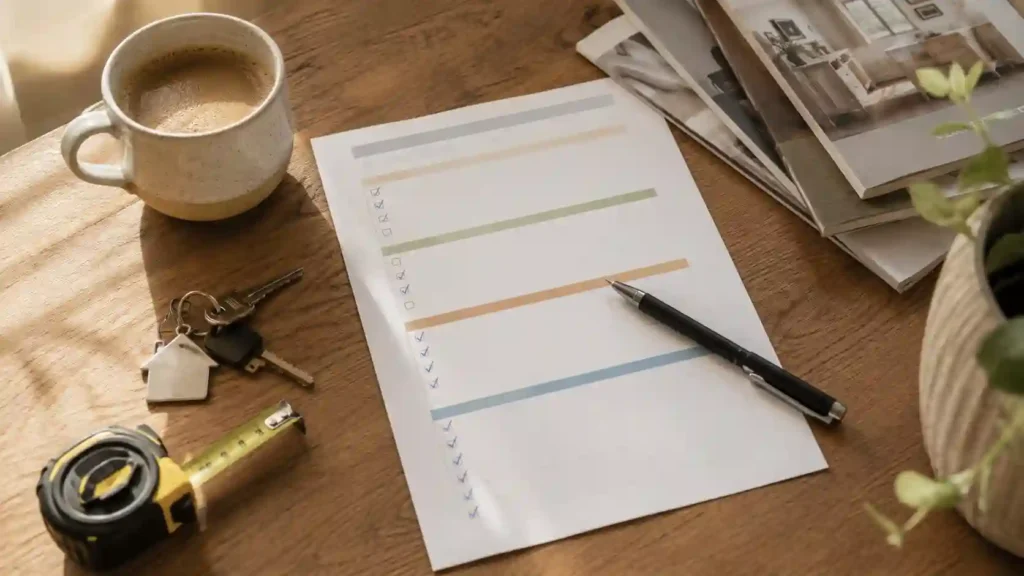
That’s not a motivational statement. It’s arithmetic. A well-structured home maintenance checklist, followed consistently across seasonal cycles, is an investment protection tool as much as it is a to-do list. The homeowners who treat it that way who budget for it, schedule it, and keep a maintenance log tend to preserve property value over time in a way that reactive owners don’t.
Building a Maintenance Schedule That Works in Real Life
Monthly, Seasonal, and Annual Tasks — Broken Down Simply
The home maintenance calendar most first-time homeowners need isn’t complicated. It’s consistent. Monthly tasks take minutes individually monthly HVAC filter check, test smoke alarms, check water heater for visible corrosion, inspect under sinks for moisture. Done monthly, these tasks take under 30 minutes total. Skipped for six months, they turn into discoveries.
The seasonal maintenance checklist is where the heavier work sits, and it splits roughly into four phases. Spring maintenance is about post-winter inspection checking roof tiles for winter damage, clearing gutters and downspouts of debris that built up through autumn upkeep and winter, inspecting exterior walls and siding for wood rot or peeling paint, checking caulking and weather stripping around windows and doors, testing the AC system before the first hot week, inspecting the irrigation system and sprinkler system before summer use. Tidy the garden, check fencing, assess the driveway and sidewalk for freeze damage. Spring is also when you walk the full perimeter of the property looking for anything winter preparation didn’t catch.
Summer maintenance shifts toward warm weather maintenance tasks deck washing, power washing siding, window caulking, exterior painting touch-ups where wood rot risk is highest, gutter cleaning after spring pollen and debris. Ceiling fan direction switches to counter-clockwise for summer airflow. Tree trimming and branch trimming matter more in summer because storm preparation starts before storm season, not during it. A licensed contractor or local handyman handles the jobs that require heights or specialist tools; the rest is genuinely DIY-friendly.
Fall maintenance is arguably the most critical phase. This is when winter preparation determines how smoothly the next four months go. Have the furnace or boiler serviced by a qualified technician in September or early October before the rush. Clean gutters again after the leaves finish falling; clogged gutters cause ice dams that damage roof flashing and eventually compromise the roof itself. Drain outdoor faucets and winterize the irrigation system.
Inspect the chimney before the first fireplace use of the season. Check insulation on plumbing pipes in unheated spaces to prevent frozen pipes. Seal everything windows, doors, siding joints caulking deteriorates faster than most homeowners expect, and the 15% heating cooling savings from a properly sealed home adds up meaningfully over a heating season.
Winter maintenance is largely about monitoring rather than doing. Check the roof after heavy snow or ice events. Ensure the dehumidifier is running in the basement to manage condensation and prevent damp basement conditions. Keep salt available for the driveway and sidewalk. Run exhaust fans during and after showers bathroom ventilation and kitchen ventilation matter year-round but particularly in winter when homes are sealed and moisture has nowhere to go. Check for condensation on windows that might indicate a ventilation problem worth addressing before it becomes mould.
Systems That Fail Quietly — What activepropertycare brendan Always Flags First
The HVAC, Plumbing, and Electrical Checks Most Homeowners Skip
The systems that cause the most expensive damage in residential property care are the ones that fail quietly over time rather than dramatically all at once. HVAC breakdown, electrical failure, and plumbing leaks account for a disproportionate share of emergency repairs and emergency expense in home management and all three are largely preventable with scheduled maintenance.
The HVAC system is the most maintenance-intensive system in most homes. HVAC inspection twice yearly once in spring for the cooling system, once in early fall for the heating system catches minor issues before they become major ones. HVAC filter replacement monthly for standard 1-inch filters, every three months for thicker media filters. A dirty filter makes the system work harder, raises energy bills, shortens equipment life, and degrades indoor air quality. It’s the simplest task on the entire home maintenance checklist and it’s consistently the most skipped.
Plumbing inspection matters most in the areas you can’t easily see under sinks, behind appliances, at pipe connections in the basement. Look for discolouration on ceilings and walls that might indicate a slow leak above. Check water pressure; a sudden drop often points to a developing blockage or a failing pressure regulator. For properties in cold climates, insulating plumbing pipes in unheated crawl spaces and garages is non-negotiable winter preparation. Burst pipes from freeze events are one of the most expensive emergency repairs a homeowner faces the pipe itself is cheap; the water damage to flooring, walls, subfloor, and contents is not.
Electrical system monitoring is the one area where the line between DIY home repair and professional territory is clearest. Check for tripped breakers that reset repeatedly, outlets that feel warm to the touch, flickering lights, or a burning smell near any electrical component. These are not things you monitor and wait on they’re things you call a vetted professional about immediately. The electrical repairs themselves are not DIY-friendly tasks for anyone without specific training. The detection is something any homeowner can do consistently.
Outdoor Maintenance — The Curb Appeal Work That Doubles as Structural Protection
Landscaping, Gutters, and Exterior Systems That Most Guides Underestimate
The outdoor components of active property care get treated as cosmetic in most home maintenance content. They’re not purely cosmetic. They’re structural.
Gutters and downspouts are the most underrated water management system on the property. Gutter cleaning twice a year minimum spring and fall prevents the water intrusion cycle that starts at the roofline and ends in the basement. The 4 feet minimum downspout extension rule exists because water depositing at the foundation leads to foundation crack development over time. Downspout extensions are inexpensive and DIY-installable in under an hour. The foundation inspection they’re designed to protect is expensive.
Landscaping and garden maintenance aren’t just curb appeal. Tree trimming and branch trimming reduce storm damage risk a branch over the roofline is a liability in any significant wind event. Lawn mowing, flower planting, and maintained gardens contribute to property value preservation and investment protection in measurable ways that real estate data consistently supports. Pest control starts with landscape management overgrown shrubs against the foundation, wood piles near the structure, standing water in the garden are all pest infestation vectors. Non-toxic pest removal is available and works well for most common household pest situations; the larger infestations need a certified technician, not a spray can.
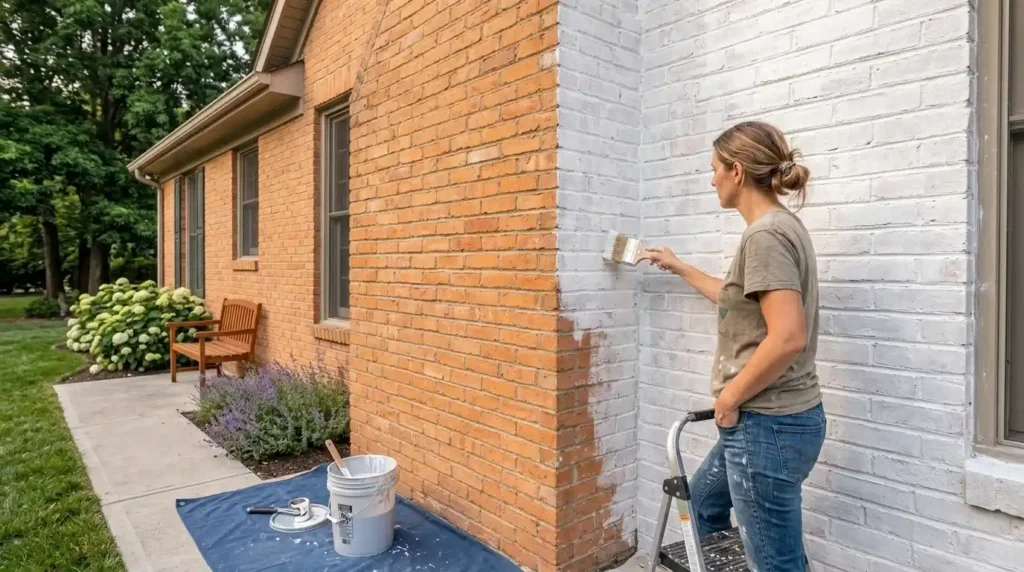
Deck maintenance deck washing annually, deck sealant applied to the underside of the deck every few years to prevent rotting deck joists extends deck life significantly. Power washing removes the biological growth that breaks down wood surfaces. Exterior painting touch-ups on siding, trim, doors, and fence where peeling paint has exposed bare wood prevent wood rot from taking hold. These are two-hour weekend jobs that prevent multi-thousand-dollar replacements.
When DIY Ends and the Professional Starts
Knowing the Line Protects Both Your Property and Your Safety
The DIY guide vs professional line is something activepropertycare brendan addresses consistently because it’s the question that causes the most expensive mistakes in home property care. The general principle: DIY-friendly tasks are those where getting it slightly wrong doesn’t create safety risk or compound the original problem. Everything else structural intervention, foundation work, electrical repairs, gas appliance servicing, major plumbing repairs goes to a skilled maintenance professional, licensed contractor, or certified technician.
Some jobs require permits. Some work voids insurance coverage or home warranty terms if done without a licensed contractor. Understanding which category a repair falls into before starting it is part of smart homeownership. The home warranty itself typically $300–$600 annually covers major systems and appliances up to policy limits, but read the fine print carefully; most policies have exclusions and caps that first-time homeowners discover at the worst possible time.
The practical approach from theactivepropertycare.com is a simple decision framework: is there a safety risk if this goes wrong? Does it involve structural elements, electrical systems, or gas? Does it require a permit in your area? If any answer is yes call a vetted professional, get a transparent pricing quote, check their credentials. The cost of a professional doing the job right once is almost always lower than the cost of a homeowner doing it wrong and then paying a professional to undo the damage and do it properly.
Maintenance log and repair history documentation matters more than most homeowners realise until they’re selling the property or making an insurance claim. A well-kept record of scheduled service, photo documentation of before-and-after conditions, receipts from skilled maintenance professionals, and a running inspection guide history makes a property demonstrably well-maintained in a way that increases its value and reduces friction in any transaction.
Conclusion
The whole premise of activepropertycare brendan is that home maintenance isn’t something you do when things go wrong. It’s something you do consistently, seasonally, and on a schedule so that things go wrong less often, cost less when they do, and never escalate from a manageable repair into an emergency. Budget 1–4% of your home value annually. Build the home maintenance calendar. Follow the seasonal maintenance checklist twice a year minimum. Know when to call a certified technician and when to pick up the tools yourself. The property that gets this level of structured, proactive attention holds its value, stays comfortable, stays safe, and costs significantly less to own over time than the one that doesn’t.
FAQs
The typical homeowner spends around 1.02% of their home’s value annually on maintenance and repairs, though most property professionals recommend budgeting 1 to 4% depending on the home’s age and condition. Treating that budget as non-negotiable rather than optional is what separates homeowners who preserve their property’s value from those who end up facing compounding repair costs later.
A scheduled HVAC inspection in September costs a fraction of an emergency HVAC breakdown in January, when every technician in the area is booked out for weeks. The same logic applies across the board — a plumbing inspection that catches a slow leak behind a wall costs almost nothing compared to the water damage, subfloor replacement, and mold remediation that follow if that same leak goes unnoticed for months.
Monthly tasks are quick individually but add up to real protection: checking or replacing the HVAC filter, testing smoke alarms, inspecting the water heater for visible corrosion, and checking under sinks for moisture. Done consistently, these take under 30 minutes total each month, but skipped for six months, small issues like a slow leak have time to turn into much bigger discoveries.
A simple framework works well: ask whether there’s a safety risk if it goes wrong, whether it involves structural elements, electrical systems, or gas, and whether it requires a permit in your area. If the answer to any of those is yes, it’s worth calling a vetted professional, since the cost of having it done right the first time is almost always lower than paying to undo a DIY mistake afterward.
Having the furnace or boiler serviced by a qualified technician in September or early October, before the seasonal rush hits, is one of the highest-value fall tasks. Cleaning gutters again after the leaves finish falling is a close second, since clogged gutters cause ice dams that damage roof flashing and can compromise the roof itself over the winter..
It depends on what’s covered — home warranties typically cost $300 to $600 annually and cover major systems and appliances up to policy limits, but the fine print often includes exclusions and caps that catch first-time homeowners off guard. It’s worth reading the policy details carefully before relying on it, rather than assuming it covers whatever might go wrong.

2 thoughts on “ActivePropertyCare brendan Exposes 9 Home Maintenance Mistakes That Silently Destroy Property Value”