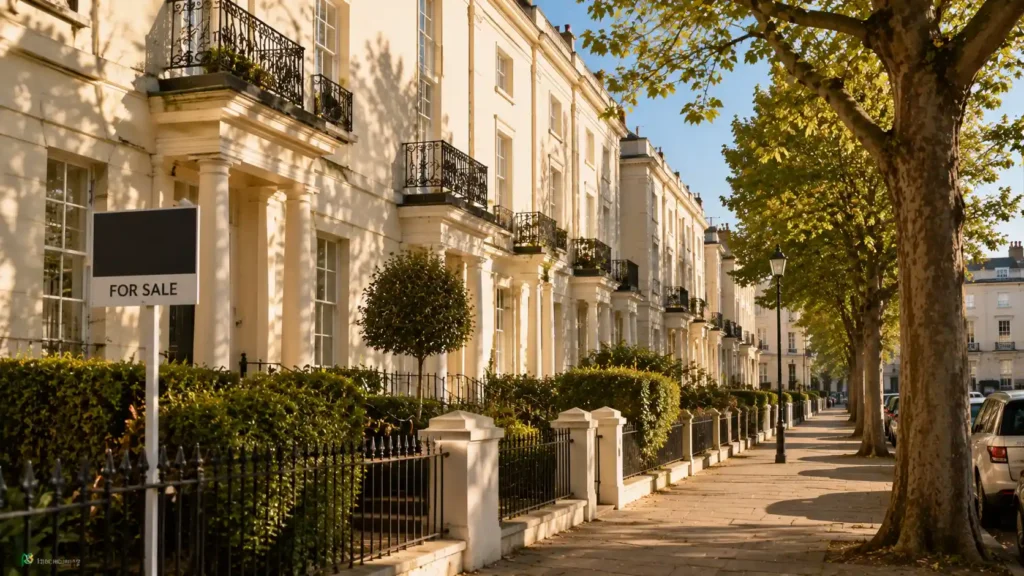
Ask anyone who’s moved to Cheltenham why they chose it. You’ll hear a version of the same answer: it just works. The Regency architecture gives the town a visual coherence that most English towns lost somewhere in the 1970s. The schools are genuinely good rather than just described as such. The Cotswolds are close enough that “weekend walk” doesn’t mean an hour in the car first. And somehow it manages all of this without feeling like a place that’s trying too hard to be appealing.
Whether you’re buying for the first time, upsizing for a growing family, or looking for somewhere to settle properly rather than just live for a while. The range of property here is wider than most towns of comparable size. Elegant period townhouses, modern apartments, spacious family homes the local market covers more ground than a quick Rightmove browse suggests. If you want people who actually know which streets are worth a second look, trusted estate agents in Cheltenham will save you considerably more time than searching alone. The difference between knowing a neighbourhood and reading about it on a listing page is real.
Explore Cheltenham’s Distinct Neighbourhoods
Cheltenham’s neighbourhoods feel genuinely different from each other rather than blurring into a single undifferentiated town. Which matters more than people realise until they’ve spent time in a few of them.
Montpellier and Tivoli carry the Regency character most strongly. The architecture is properly elegant, the café culture is alive rather than staged, and the independent shops are the kind that actually last. Buyers who want to be embedded in that kind of social environment tend to land here. Leckhampton is a different proposition altogether: quieter, more community-oriented, and consistently popular with families. Because the schools and neighbourhood atmosphere work well together. Charlton Kings draws buyers who want larger homes and easy access to green space without sacrificing convenience. Pittville combines the period property character with one of the town’s genuinely beautiful parks; it’s the neighbourhood that often surprises people who hadn’t considered it on first pass.
Walking around different areas at different times of day gives you something that no amount of online research replaces.
Decide Which Property Type Fits Your Lifestyle
The housing stock in Cheltenham spans a genuinely wide range, which is one of the market’s real strengths.
Regency terraces, Victorian villas, detached family houses, contemporary townhouses, stylish apartments, cottages, new-build developments they’re all here. And they come with meaningfully different trade-offs. A Regency terrace is often beautiful in ways that newer builds simply aren’t, but it tends to bring older windows, heating systems from a different era, and maintenance demands that aren’t always obvious at a viewing. A new-build apartment sidesteps most of those concerns but rarely has the same character. Neither is objectively better; it depends entirely on what you’re actually looking for and what you’re prepared to manage.
Thinking about future requirements before you start viewing working from home, expanding family, eventual downsizing narrows the search considerably and stops you spending time on properties that won’t work for reasons that were knowable in advance.
Consider Schools and Family Amenities
For a meaningful proportion of buyers, school catchments drive location decisions more than anything else including the house itself.
Cheltenham’s offering here is strong. Primary schools, secondary schools, grammar schools, and independent schools all feature, and the overall educational reputation of the town is well-established rather than optimistic marketing. Beyond schools, there are sports clubs, leisure centres, healthcare facilities, libraries, and a range of activities for children at different ages. These amenities matter for daily quality of life in ways that are easy to underestimate when you’re focused on the property itself and they also sustain demand for family homes in the area, which has implications for long-term value.
Excellent Connectivity
One of Cheltenham’s more underrated qualities is that it manages to feel unhurried while being genuinely well-connected.
Direct rail services run to Birmingham, Bristol, and London. The A40, M5, and surrounding road network make getting around the South West reasonably straightforward. Gloucester, Worcester, Oxford, and the wider Cotswolds are all accessible without the journey becoming the point. For people who want to commute to a larger city but live somewhere with actual character and outdoor space, this combination is harder to find than it sounds and Cheltenham does it without feeling like a compromise.
Enjoy Green Spaces and Outdoor Living
Pittville Park, Imperial Gardens, Sandford Parks Lido these aren’t afterthoughts. They’re woven into daily life in the town rather than existing as something you visit occasionally.
Walking and cycling routes run throughout. The Cotswolds Area of Outstanding Natural Beauty is close enough that weekend access is genuinely practical rather than aspirational. Hiking and cycling into proper countryside doesn’t require a long drive first. This proximity to outdoor space shapes how people actually live here day to day, and it’s one of the consistent reasons buyers who move to Cheltenham tend to stay.
Understand Your Budget Beyond the Purchase Price
Focusing on asking prices while treating everything else as a detail to figure out later is how buyers end up financially stretched in ways they didn’t anticipate.
Solicitor’s fees, survey costs, mortgage arrangement fees, Stamp Duty where applicable, removal costs, insurance, and ongoing maintenance all need to sit within the overall budget rather than being added on top of it. Getting a mortgage agreement in principle before viewing properties isn’t just a practical step, it also puts you in a stronger negotiating position when an offer is worth making. Sellers and agents respond differently to buyers whose financing is already confirmed versus those who are still working it out.
Assess Long-Term Investment Potential
A property purchase is a financial decision as well as a lifestyle one, and treating it as only the latter tends to produce worse outcomes over time.
Cheltenham sustains consistent demand because of its economy, cultural reputation, schools, and housing stock that holds its character. Well-presented homes in the more sought-after neighbourhoods don’t sit on the market for long. Properties with decent transport links, reasonable energy efficiency, and broad appeal rather than very specific or niche characteristics tend to hold their value more reliably. Thinking about resale appeal at the point of purchase, not years later, makes for better decisions even when you’re intending to stay for a long time.
Visit Properties More Than Once
A second viewing almost always reveals something the first one didn’t.
Traffic on a Thursday evening looks different from a Sunday afternoon. Parking that seemed fine during a morning visit becomes a different situation after work. The noise from a nearby road, the feel of the street after dark, what the immediate neighbours’ properties look like when you’re paying attention rather than focused on the house itself these details matter and they’re genuinely easy to miss on a first visit when everything is still an impression. Speaking to people who already live nearby tends to produce a more honest picture of the neighbourhood than any estate agent communication will.
Taking slightly more time before making an offer is almost always worth it.
Understanding Gloucestershire’s Property Market
Knowing what’s happening in the wider market gives useful context that a neighbourhood-level search doesn’t provide on its own.
Recent analysis examining Gloucestershire house prices by postcode highlights the differences in property values across the county which areas carry premiums, how Cheltenham sits within the regional picture, and what neighbouring towns offer by comparison. For buyers working out budgets and considering their options, that context is more useful than it might initially seem. Understanding the regional market and the local market together produces clearer thinking than either does alone.
Final Thoughts
Cheltenham is consistently one of Gloucestershire’s most genuinely desirable places to buy. The architecture holds up, the schools are strong, the connections work, the cultural life is real rather than performed, and the Cotswolds are actually accessible rather than just nearby on a map. The range of properties across different lifestyles and budgets is wider than most comparable towns.
Researching neighbourhoods rather than just streets, building a realistic total budget, thinking about what a property will look like to a future buyer as well as the current one, and getting advice from people who know the local market properly buyers who approach the process this way tend to end up with homes that work for them beyond the first year of ownership.
FAQs
Homes in Cheltenham range from Regency terraces and Victorian villas to detached family houses, cottages, apartments and new-build developments. The right property type depends on how much space, architectural character and ongoing maintenance you are prepared to take on.
Montpellier and Tivoli suit buyers drawn to Regency architecture, cafés and independent shops, while Leckhampton is often preferred by families seeking a quieter community. Charlton Kings offers larger homes near green space, whereas Pittville combines period properties with convenient access to Pittville Park..
A period property usually offers more character, but it may also come with older windows, heating systems and greater maintenance demands. A new-build can be easier to manage, although buyers may have to accept less architectural individuality in return
A second visit can reveal traffic, parking, road noise and neighbourhood conditions that were not obvious during the first viewing. Visiting at a different time of day and speaking with nearby residents can give you a more realistic understanding of daily life on the street.