I used to think good interior design meant matching everything. Same metal finish everywhere, same wood tone, nothing allowed to clash. Then I went to a friend’s place last year and saw mismatched vintage chairs sitting next to a chocolate brown wall and some raw wood shelving that didn’t match anything else in the room. Honestly? It felt more like an actual home than anything I’d ever put together myself. Turns out that’s basically where the whole industry’s headed in 2026. This one’s about what’s actually shifting, color, materials, tech creeping in where you wouldn’t expect it, and when hiring a pro is worth the money versus just winging it yourself.
What Interior Design Actually Means in 2026:
Something changed this year and it isn’t really about a new color or some new furniture shape everyone’s suddenly obsessed with. It’s more of a mood shift. Honestly people are done with rooms that photograph beautifully but feel like a hotel lobby to actually sit in. That’s kind of the whole story right there.
Comfort Over Perfection:
Ergonomics is finally getting real attention. Not as an afterthought, but as an actual starting point for how a room gets built. Furniture’s getting picked for how it holds a body after a rough day, not just how it looks in a listing photo online. Designers keep throwing around words like “intentional” and “grounded,” and yeah, after years of stark minimalism, I get why. A living room that looks flawless but that nobody actually wants to sit in was never good design. It just photographed like it was.
Personal, Lived-In Spaces:
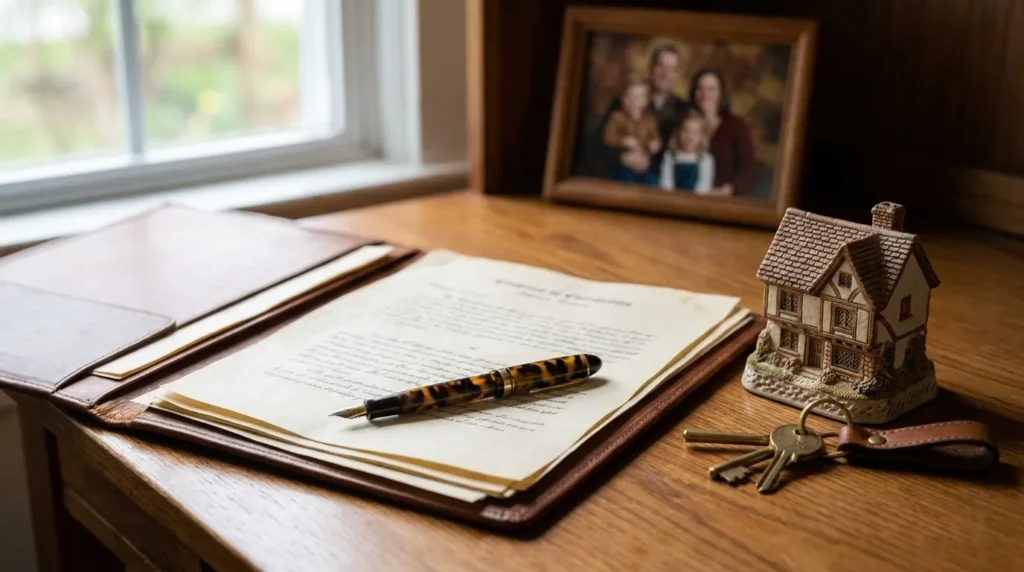
Cookie-cutter rooms are losing ground, and fast. Collected pieces, a vintage mirror picked up somewhere random, a chair your grandmother owned, are replacing the matched furniture sets that dominated for a decade straight. Layered spaces that actually reflect who lives there matter more now than recreating a showroom ever did. If your living room currently looks like a catalog page? That’s probably the thing worth fixing first, honestly, before anything else.
Color and Material Shifts Worth Noticing:
Color’s usually where people start when updating a room, and 2026 has a genuinely clear direction. Warmer. Deeper. A little braver than what’s dominated for years now.
Warm Beige, Chocolate Brown, and the End of Cool Neutrals:
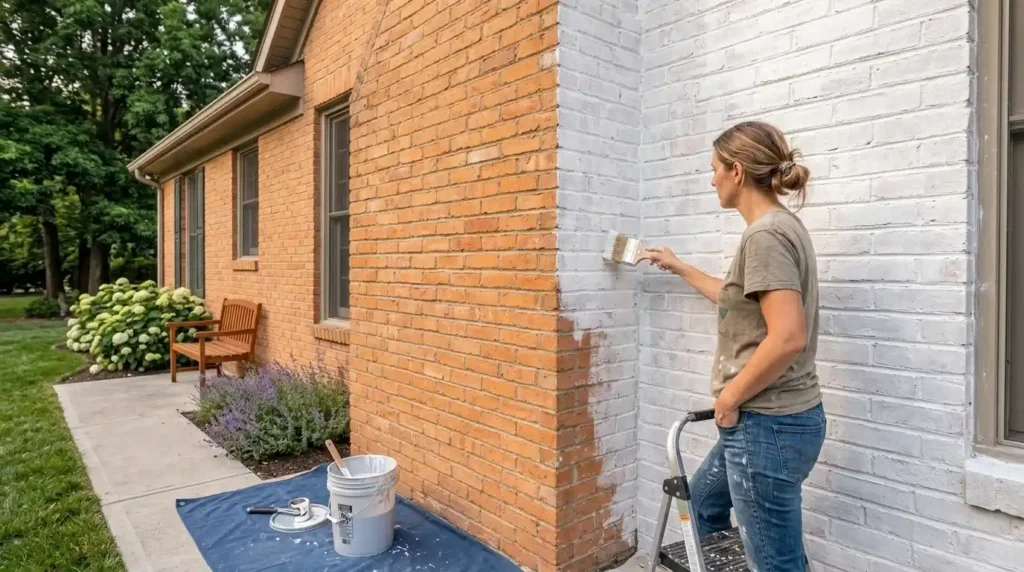
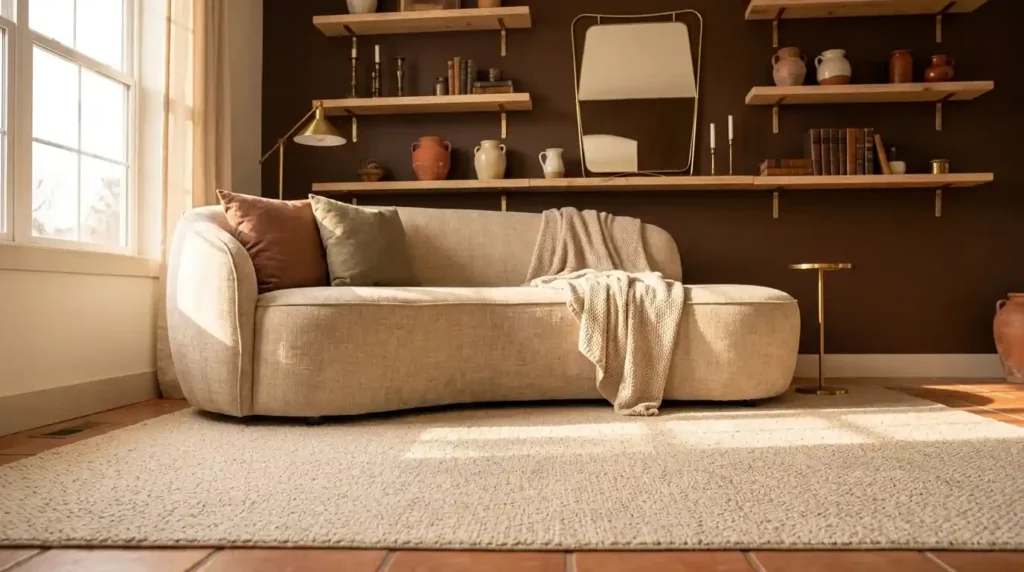
Grey and stark white are quietly getting replaced. Warm beige and creamy tones are stepping in the kind. That still read neutral but actually carry some personality. Chocolate brown’s held its spot as a top pick two years running now. And it pairs easily with brass hardware and raw wood. Without needing much thought. Nervous about commitment? Paint one wall a deep caramel or chocolate shade first. Low risk, real payoff.
Bold Color Drenching and Pattern on Pattern:
Color drenching, painting the walls, trim, and ceiling all one shade, isn’t new exactly, but it’s picking up steam. Electric blue kitchen cabinets and hot pink dining rooms have actually shown up in real design magazines this year. Not concept boards. Real rooms. Pattern on pattern’s having a moment too, layering complementary prints instead of just picking one safe accent and calling it done. It takes more nerve than a neutral room does, sure, but professional colorists are getting a lot smarter about undertones now, which makes bold choices way easier to actually pull off without them looking like a mistake.
Materials With Actual Texture:
Texture’s doing a lot of the emotional heavy lifting in 2026 interiors. More than color, honestly, even though color gets all the attention. A flat glossy surface just doesn’t read as warm no matter what shade you paint it.
Wood Tones and Architectural Millwork:
Wood tones are back in a real way, replacing all that white cabinetry that dominated for a decade straight. Architectural millwork, classic moldings, traditional trim, blended with modern furniture, is basically what people mean when they say “modern heritage” style. It’s old bones with new furniture. Works because it doesn’t force you to pick a side between traditional and contemporary.
Terracotta, Natural Stone, and Organic Shapes:
Terracotta tile’s making a real comeback, whether it’s the authentic clay version or a porcelain lookalike with some modern pattern twist to it. Sculptural silhouettes, curved sofas, organic-shaped mirrors, rounded coffee tables, are replacing hard geometric lines pretty much everywhere. Tactile finishes matter more than ever too, If a material doesn’t feel good under your hand. It’s probably not making the cut this year, no matter how good it looks in a photo.
Style Directions Worth Knowing:
Three directions dominate the conversation right now and none of them really agree with each other, which is kind of the point actually.
Maximalism’s climbed sharply among professional designers this year. More collected, more layered, more personality crammed into every square foot. Eclectic design, mixing eras and styles instead of committing to just one, is strengthening right alongside it. Meanwhile vintage and antique pieces are seeing a genuine resurgence, driven partly by an actual appreciation for craftsmanship that mass-produced furniture just can’t offer anymore. None of this follows a rulebook. It’s about picking pieces that mean something to you and trusting a room built that way, instead of one bought as a matching set from a single showroom.
Where Technology Actually Fits In Now:
Technology and warmth sound like opposites. 2026’s proving they’re not, at least not the way most people assumed going in.
AI Rendering Tools:
Designers are leaning on AI rendering tools more and more, mostly to visualize a room before a single piece of furniture actually gets ordered. Cuts down on expensive mistakes, the sofa that looked perfect online and completely wrong once it landed in the actual space. Also speeds up client approval since people can see the finished room instead of imagining it off a couple fabric swatches. It’s not replacing design judgment, to be clear. Just making the back and forth a lot faster.
Smart Systems Meeting Tactile Materials:
Smart lighting and climate control are increasingly being incorporated seamlessly into the design so that there’s no hint of technology whatsoever, with devices integrated into the millwork or even concealed behind a fabric surface, rather than sitting out on a shelf as an obvious piece of technology. The idea of combining the functionality of the smart home with actual materials is something quite compelling in contemporary interior design right now.
Hiring an Interior Designer vs Doing It Yourself:
Not every project needs a pro, and honestly. Some of the best changes people make cost almost nothing. A single accent wall. Swapping out hardware. Layering in a few vintage pieces you found somewhere. All totally reasonable to handle alone.
Where a professional interior designer actually earns their fee is layout decisions, lighting plans, sourcing pieces you’d genuinely never stumble onto browsing by yourself. A design firm also tends to catch scale mistakes before they happen, that sofa that’s technically fine but somehow makes the whole room feel cramped anyway. Full room from scratch, or juggling more than two or three big decisions at once? That’s usually the point where bringing someone in saves money instead of costing it.
Interior Design Conclusion:
It is not about looking for a particular style when designing interiors in 2026. It is about warmth, textures, and spaces that reflect those who live in them rather than showing off like in a showcase space. Begin with one brave accent wall, a couple of objects you have collected, good lighting, and so forth. The interiors being designed now are not necessarily the best ones. They are simply lived-in ones.
FAQs:
Chocolate brown has been the favorite color for two years now, which has been mostly complemented by brass detailing and unfinished wood touches. There is also a shift from the previously ruling cool gray to warm beige colors
Maximalism’s gained real ground among professional designers this year, though minimalism hasn’t disappeared. A lot of rooms actually blend the two now, keeping a simple layout while layering in more personal, collected pieces on top.
Not for smaller stuff, paint, hardware, a few new accent pieces, that’s all reasonable to tackle yourself. A pro becomes more valuable once you’re changing the layout, planning lighting, or juggling a full room with several big decisions happening at once.