
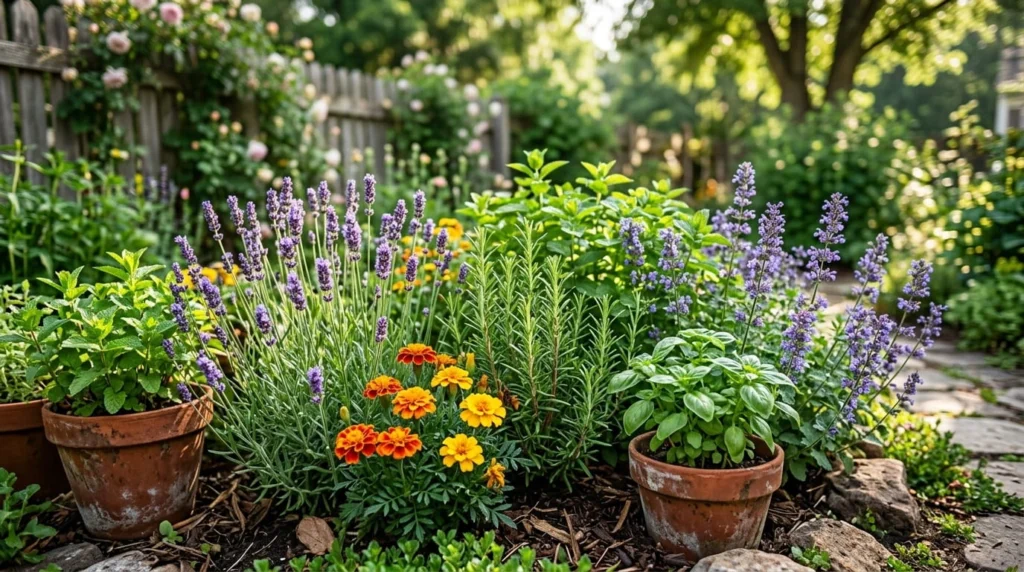
Evenings in the summer should be enjoyable, relaxing, with an ice-cold beverage, friends and family, outside with no worries. But for some reason those darn mosquitos always get in the way. For years I have experimented and researched synthetic repellents, broad-spectrum insecticides and other alternatives but the best option was right under my nose.
Those darn bugs are not only irritating but painful and itchy. Whether you’re enjoying the good times in your backyard, sitting in your garden or returning from a hard day’s work, you know it’s only going to be a short trip before you meet unwanted company. I’ve seen this ruin many a perfect afternoon or evening even in the beautiful Bay Area, where weather warming through summer makes outdoors living irresistible.
The good news? Naturally insect-repelling plants offer real protection and control no harsh spray needed. With their amazing scent and fragrance, you don’t have to worry about anything else. When planted around your sitting area, backyard landscaping, or garden doors, these plants will do their job of keeping mosquitoes at bay while providing beautiful scenery. The good news is that growing options abound.. This guide covers the top best plants I recommend a compiled list built from real experiences, not just theory to help you keep blood-sucking critters away and bring back the bite-free memories your backyard deserves.
Lavender: The Fragrant Shield Your Garden Needs
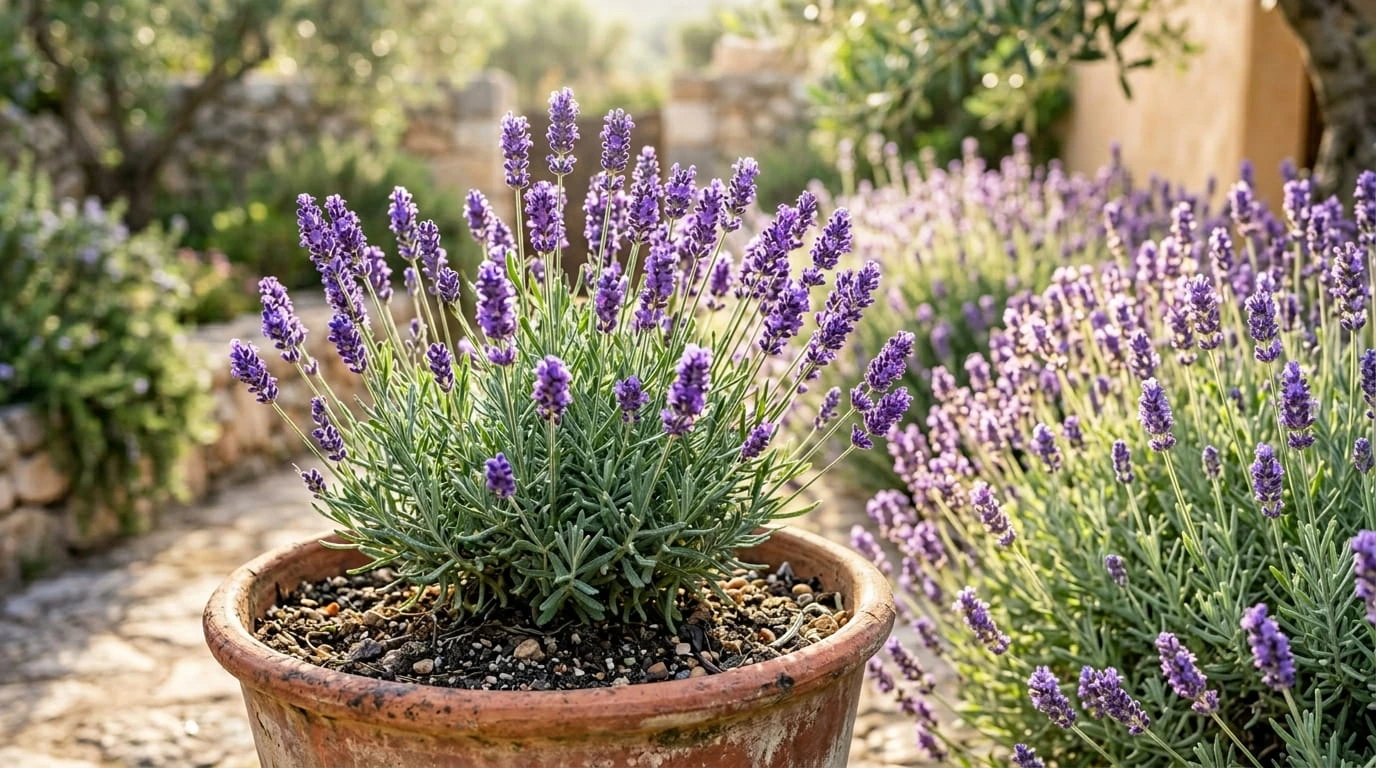
I’ve watched many gardeners struggle with mosquitoes and other pests, only to find their lavender plant standing untouched. That tells you everything. Rabbits, insects, and other creatures simply cannot stand the lovely fragrance that lavender puts out and in my own garden, it has been the biggest saving grace of every summer evening. These oils produce a pleasant fragrance we enjoy, but one that actively hinders a mosquito‘s ability to smell effectively cutting off their navigation. The essential oil of lavender is already a strong repellent on its own. The lavender plant itself is a fantastic repellent of pests and does not need the application of any chemicals.
Once the lavender has been planted, it can withstand almost any form of weather, as it is highly drought resistant. The plant just needs a lot of sunlight and well-drained soil to thrive. This plant is very versatile as far as its growing environment is concerned; however, it thrives most under hot climates. Therefore, it would be perfect for planting in the Bay Area. It can be planted around borders or potted beside seats, etc., wherever you wish to have pests kept at bay.
It has never been decimated by animals in my yard not once. Whether in warmer beds or containers, this plant effectively protects while filling your space with a fragrance that is nothing short of wonderful.
Marigolds: The Colorful Guardians of Your Garden
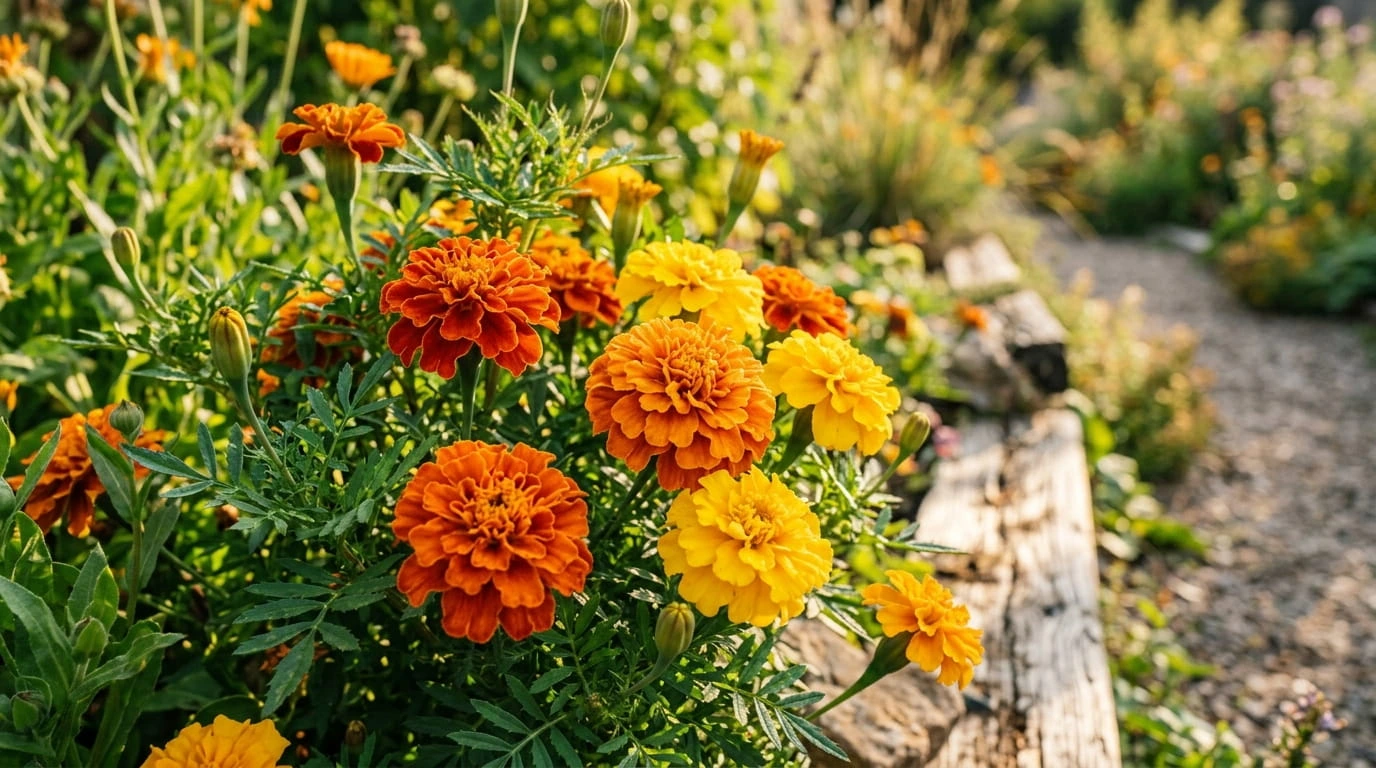
I remember the first time I placed a potted marigold by my patio entrance within days, the difference in mosquitoes buzzing around was noticeable. What I didn’t expect was how much work this single easy-to-grow annual flower was quietly doing Marigolds are not just pretty with their vivid colours that add a splash of colour to the garden they also give off a unique scent and lovely fragrance that mosquitoes hate. The NYBG states not only do they keep mosquitoes away they also discourage and turn away a variety of harmful pests such as aphids, thrips, whiteflies, Mexican bean beetles, squash bugs and tomato hornworms making them a highly useful companion plant.
The added bonus here is real planted in conjunction with other plants in your vegetable gardens, marigolds can actually spur the growth of neighboring plants, which is something I’ve personally seen in my own beds. Either you could grow them by germinating fresh seeds or just take them from nurseries. It is quite simple to plant them. Simply put them in planters, around edges, at entrances, or anywhere you and your guests congregate most often. They are a popular selection for gardens because they serve multiple purposes, including keeping insects away, deterring burglars, and being aesthetically pleasing.
Catmint: The Surprisingly Powerful Pest Fighter
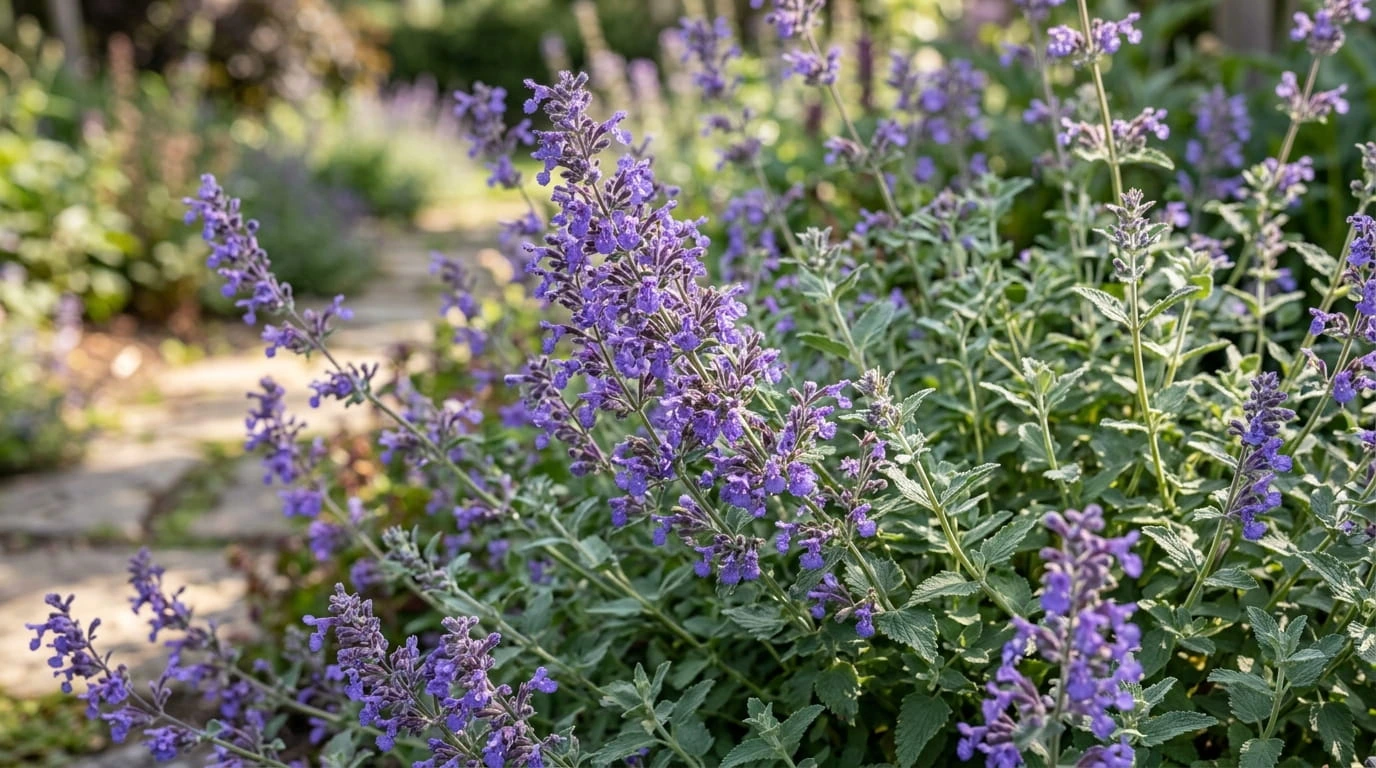
I’ll be honest I was almost deterred from choosing catmint for my garden purely because of its invasiveness. But once I did the research and looked into what Iowa State University actually found, I stopped hesitating. Their study showed that catmint also called catnip is ten (10) times more effective at repelling insects than DEET, the chemical used in most commercial insect repellants. That single piece of research from BBG changed how I looked at this plant entirely. Part of the mint family, catmint grows abundantly and can be found thriving in almost anywhere both as a commercial plant and as a weed which makes it remarkably easy to grow and simple to maintain.
Its secret weapon is nepetalactone, a naturally occurring compound in its nepetalactone content that repels mosquitoes, bugs, and other pests with an exceptional fragrance that insects simply cannot tolerate. The Bay Area climate suits it well, and few plants are this low-effort to care for.
Yes, its insidious nature means it can invade other areas of your garden if unchecked, so be aware it might attract cats too a quirk of its nature I’ve laughed about more than once. But if you’re willing to forgo a little control and do the work to manage it, the recommendation is clear this amazing mosquito repellant is absolutely worth placing in your backyard.
Mint & Peppermint: The Double-Duty Herb That Bugs Hate
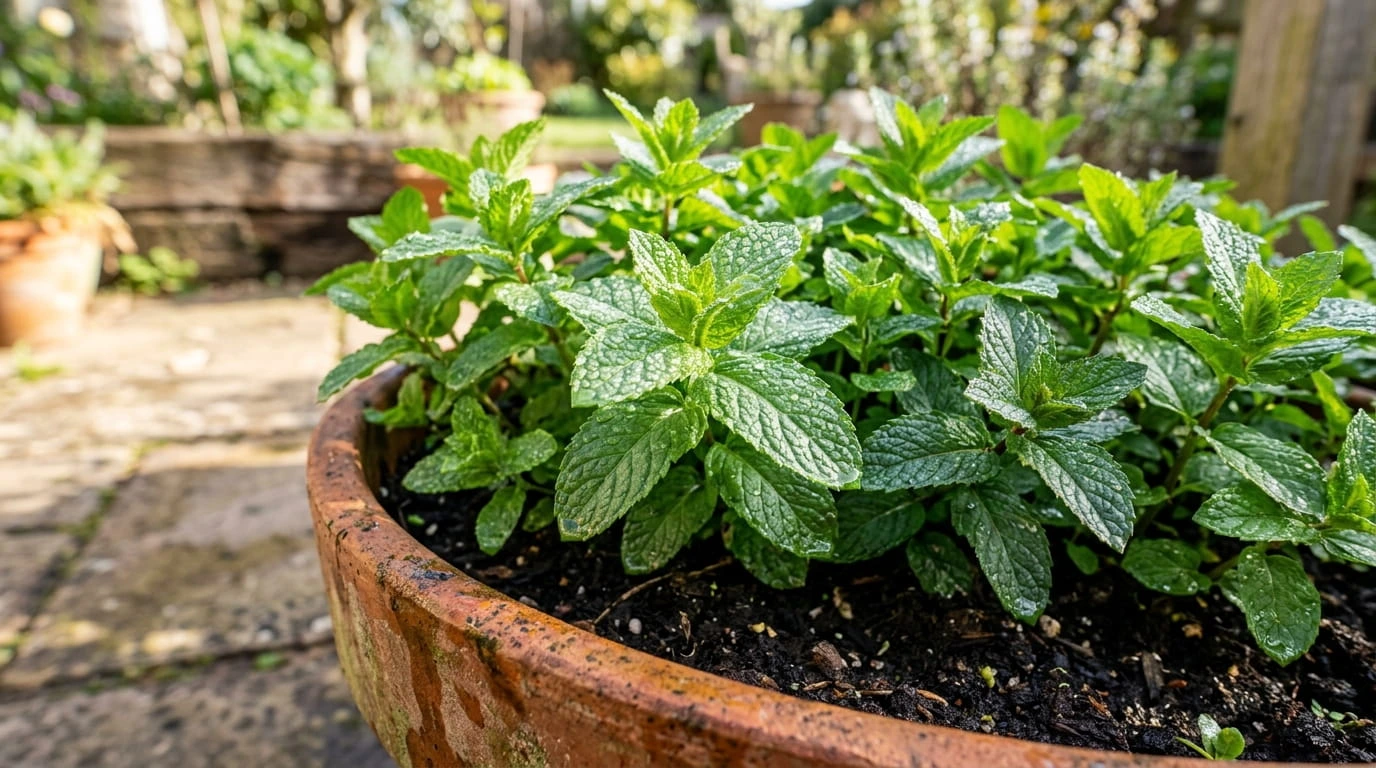
There’s something deeply satisfying about growing a plant that works just as hard in the kitchen as it does in the garden and mint does exactly that. As the third member of the mint family on this list, peppermint stands out as an extremely useful and nontoxic option for keeping away mosquitoes, flies, ants, and other bugs.
What makes it special is its pungent aroma a strong fragrance and scent that mosquitoes and insects are completely repulsed by and utterly turned off from. Both the smell and taste send pests in the opposite direction, making it one of the most effective natural pest control methods available for outdoor and indoor spaces alike.
I personally keep pots on my patio where the leaves are easily within reach a quick drop of a leaf or two (2) into afternoon tea or summer cocktails and beverages makes for a wonderful fresh garnish too. Humans generally enjoy its fresh flavor in calming teas, breath fresheners, and summer beverages, but conversely, mosquitos simply cannot stand it.
As an invasive plant that tends to spread aggressively, container planting and container growing is recommended it’s much easier to control when planted in a pot or container. This is especially true in the Bay Area, where growing mint year-round is quite possible. The added value? If you get bitten and feel that terrible itch, simply rub the leaves directly on your skin the healing properties start to bring relief almost immediately. You can also dry the leaves for drying and use them inside your home as a bug repellent and insect repellent. A ready supply of fresh mint is always within reach, adding real scenting power to your backyard landscape while offering natural pest control that is nontoxic, popular, and incredibly common a sort of quiet, natural defense that repels without effort.
Rosemary: The Hardy Herb That Guards and Flavors
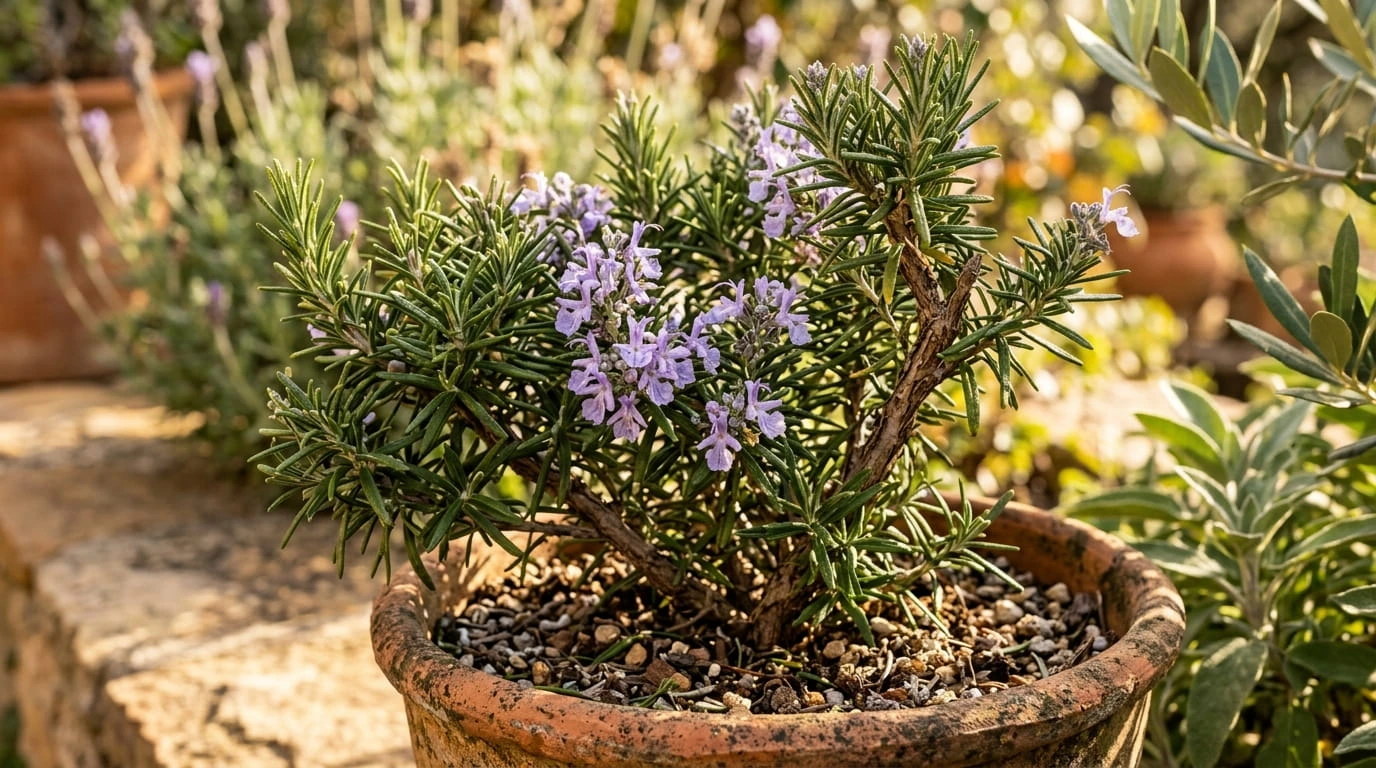
I never fully appreciated rosemary until I tossed a few rosemary sprigs on the grill one summer evening at dusk and noticed the mosquitoes had quietly disappeared. That woody scent doing double duty is what makes this hardy herb so special. Both the New York Botanical Garden and Plant Shed have recommended it as a natural mosquito-repelling plant, and for good reason rosemary repels not just mosquitoes but also cabbage moths, carrot flies, and other flying insects and pests that humans would rather never see.
Its scent and aroma waft through your yard like a natural deterrent, and unfortunately for the bugs, they absolutely hate it. What I find most fascinating is how rosemary plants do best in hot and dry climates thriving in sunny spots with well-drained soil making them ideal for Bay Area gardens and outdoor areas with hot dry climates and mild winters. As an ornamental plant, rosemary can be pruned into various shapes and sizes, used along borders, in containers, or as decorations that attract butterflies . so keep an eye out for an increase in butterflies attracting to your space too.
Grilling out during dinnertime or dusk time is an essential element of outdoor summer fun, and placing a few sprigs on the grill as you cook simultaneously keeps mosquitoes away while adding flavor to lamb, chicken, pork, and turkey frequently used recipes that humans enjoy. The yard scent it creates is nothing short of wonderful, and this familiar plant truly works wonders as both a repellant and a cooking herb one of the most valuable additions to any backyard landscape
Basil: The Kitchen Herb That Keeps Bugs at Bay
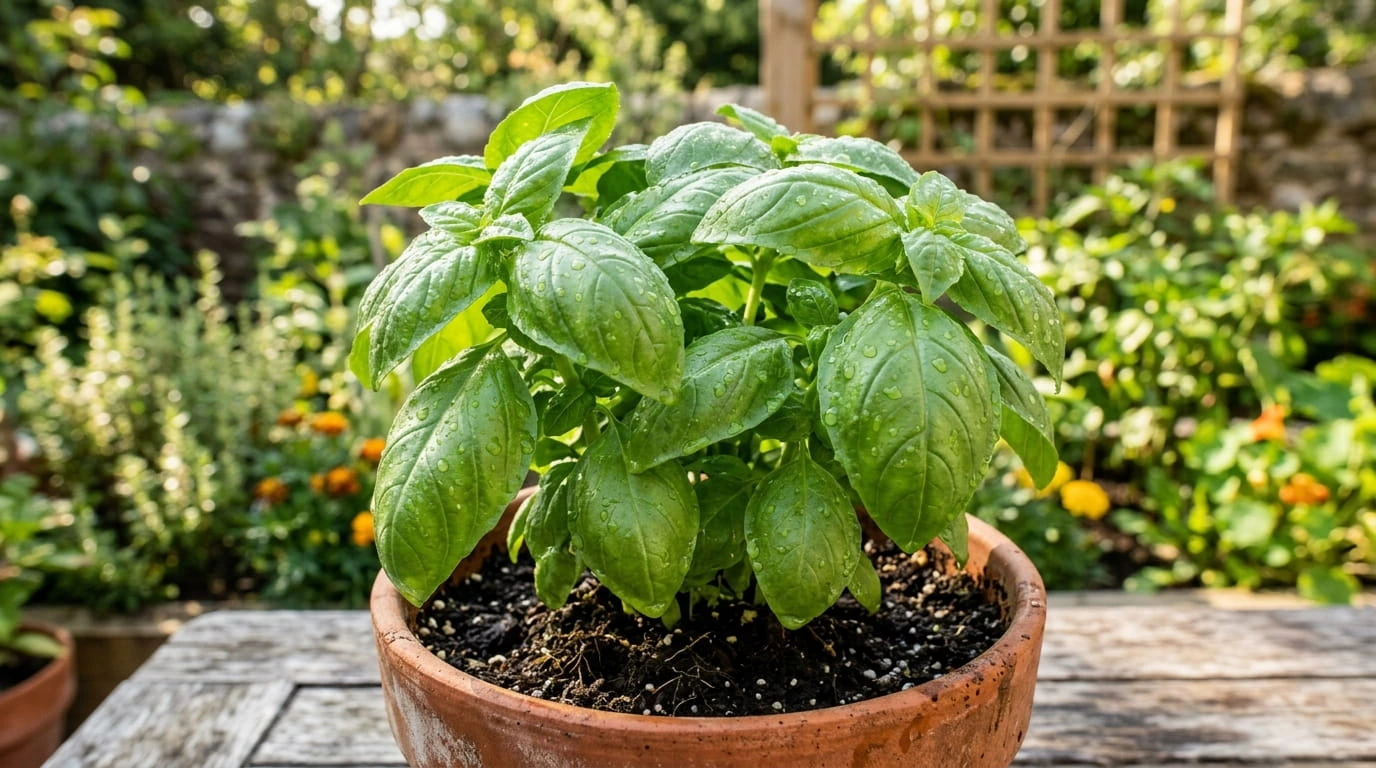
Among the many great findings that I made, one was the fact that the basil plant which I had been growing in my kitchen garden all along was working as an insect repellent too. This amazing culinary herb is such a great pest repellent that the moment when it dawned on me, everything about the backyard plan changed. It is the aroma coming from the basil leaves that actually acts against these insects and drives them away; the odor repels them and then the problem solves itself. In fact, all the different basil plants have the same property and therefore, it is recommended to everyone to try out the varieties they like best.
The recommendations I give most often start with lemon and cinnamon varieties since both are easy to love As a plant, basil needs to stay damp, with good drainage, and it enjoys lots of sun in sunny spots meet those same requirements and it will reward you generously. You can grow it alone or together with other flowers and plants in your vegetable garden, in containers on your patio, or anywhere you want to keep a space mosquito free.
Container planting makes it especially easy to keep within reach as both an ingredient source for your kitchen supply and a living pest repellent. I personally mix lemon basil and cinnamon basil together in pots the combined scent and smell create a pungent barrier that keeps insects at bay while giving me a fresh, natural, culinary supply of basil right outside my door. Whether you start from a premium herb garden kit or simply plant new seeds, the double value this herb brings to your yard as both a natural repellent and a kitchen ingredient is hard to beat.
Conclusion
Using mosquito repellent plants is definitely one smart gardening trick. Each and every plant listed here adds its own unique element to the design of your garden through their fragrances such as lavender, basil, rosemary, but particularly catmint.
Having experienced this phenomenon firsthand, I can assure you that it is quite possible to transform your garden or lawn into an ideal haven from mosquitoes thanks to the special mosquito repellent plants which will change your outdoor experience beyond recognition by providing you with a bug-free haven allowing you to enjoy the company of your family without needing your insect repellent spray.
Not only are these plants effective against mosquitoes, but they are great at keeping away many other types of insects as well, including flies, ants, aphids, and many others. You can plant them either in pots, along borders, near seating areas, or even within your vegetable garden – whatever works best for you.
FAQs:
Mosquito repellent plants give off natural oils and fragrances that mosquitoes find overwhelming or disorienting, which interferes with how they navigate to find a target. Lavender, catmint, mint, rosemary, basil, and marigolds all work this way, releasing scent compounds through their leaves and flowers that keep bugs away without any spraying required.
According to research out of Iowa State University, catmint (also called catnip) tested about ten times more effective at repelling insects than DEET, the active chemical in most commercial repellent sprays. Its natural compound, nepetalactone, is what does the work, making it one of the strongest options on this list if repelling power is your main priority.
Both are naturally invasive, so container planting is the easiest way to enjoy their repellent power without letting them overrun garden beds. Growing them in pots on a patio or near seating areas still puts their scent right where you need it while keeping the roots contained.
Lavender and rosemary are both particularly well suited to hot, dry climates, since they thrive in sunny spots with well-drained soil and can tolerate drought once established. Either works well planted along borders or in containers near a seating area, giving you repellent power without demanding much upkeep.
Yes — several pull double duty. Marigolds also discourage pests like aphids and whiteflies in vegetable gardens, rosemary and basil double as cooking herbs, and rubbing mint leaves directly on a mosquito bite can help ease the itch.
For many people, a well-planted combination of these plants meaningfully cuts down on mosquito activity in a yard or patio area without needing chemical sprays. Results depend on how densely they’re planted and the specific pest pressure in your area, but plants like catmint and lavender are strong enough on their own to be a homeowner’s primary defense in many gardens.




2 thoughts on “Top Mosquito Repellent Plants for a Beautiful Bug-Free Garden”